
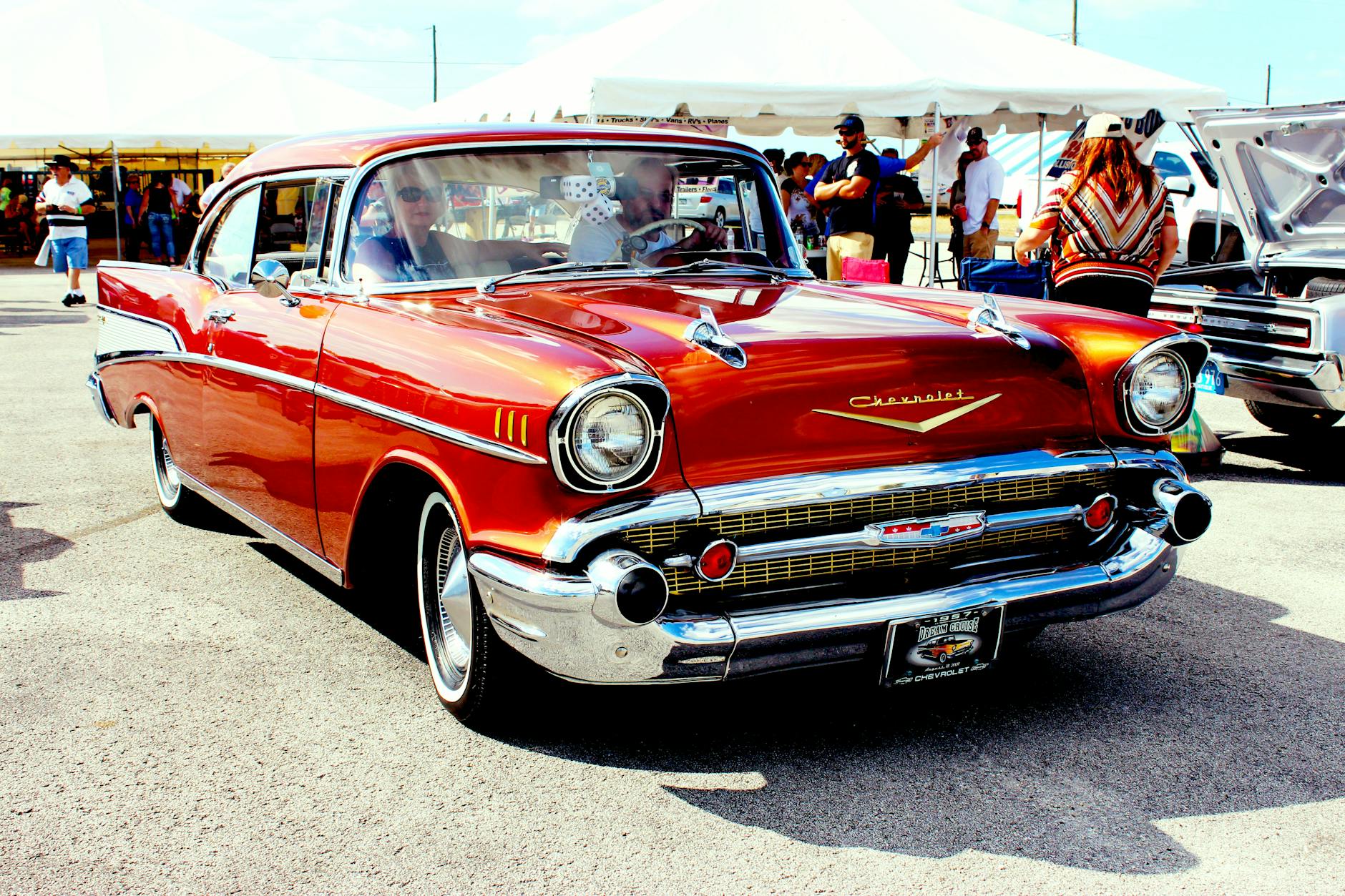
Classic & Vintage Car Engine Bay Restoration: Preserving San Diego’s Automotive Heritage
TL;DR: Classic and vintage cars require specialized engine bay detailing that preserves original components while ensuring optimal performance. San Diego’s year-round driving climate demands unique care for aged electrical systems, patina preservation, and temperature-sensitive parts. Professional detailing services protect your automotive investment while maintaining authenticity for car shows and daily driving.
Classic cars represent more than transportation – they embody automotive history, craftsmanship, and passion. Your vintage vehicle deserves specialized care that honors its heritage while protecting its value. San Diego’s perfect climate allows classic car owners to drive year-round, but this constant exposure requires expert engine bay maintenance.
Understanding Classic Car Engine Bay Challenges
Classic and vintage vehicles face unique challenges that modern cars simply don’t encounter. Original electrical systems operate differently from today’s sealed components. Rubber seals and gaskets have aged beyond their intended lifespan. Metal components may show patina that owners want preserved rather than removed.
San Diego’s coastal environment adds complexity. Salt air reaches 10 miles inland, affecting chrome components and bare metal surfaces. The region’s 266 sunny days annually create intense UV exposure that deteriorates rubber hoses and plastic components faster than in cooler climates.
Temperature fluctuations between coastal and inland areas – often 20+ degrees difference – cause expansion and contraction that stresses aged materials. Your classic car’s engine bay contains components manufactured decades ago using different materials and tolerances than modern vehicles.
Preservation vs. Restoration Philosophy
Classic car engine bay detailing follows two primary approaches: preservation and restoration. Understanding the difference helps you choose the right service for your vehicle’s goals and condition.
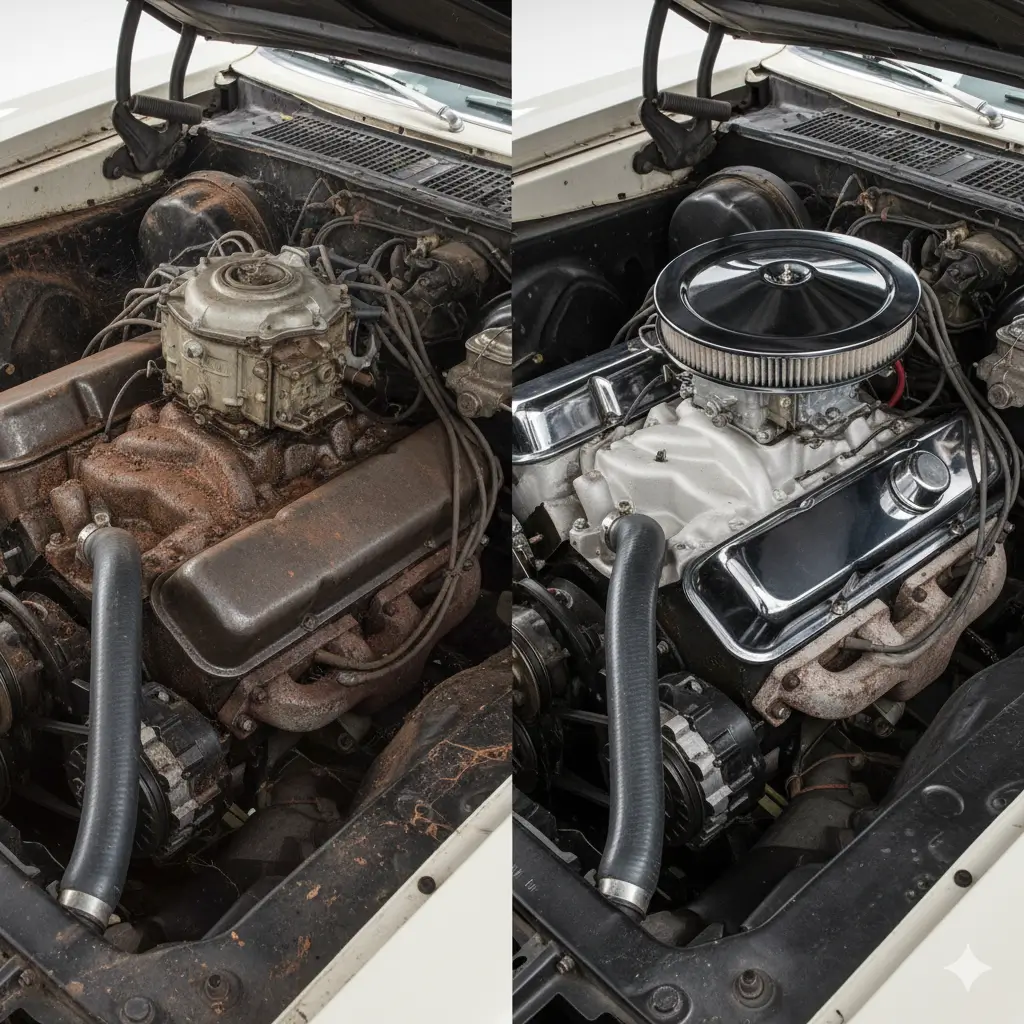
Preservation detailing maintains existing patina and original finishes while removing harmful contaminants. This approach suits numbers-matching vehicles, unrestored originals, and barn finds where authenticity matters more than perfection. The goal is protecting what exists without altering the vehicle’s character.
Restoration detailing returns components to like-new condition through deeper cleaning, refinishing, and sometimes replacement. This approach works for show cars, concours vehicles, and classics where appearance takes priority over originality.
Dennis Auto Details specializes in both approaches, working with collectors who want museum-quality preservation and enthusiasts seeking show-winning restoration.
Gentle Cleaning Techniques for Aged Components
Classic car engines contain materials rarely found in modern vehicles. Cast iron blocks, brass fittings, aluminum components with different alloys, and rubber formulations that don’t exist today require specialized cleaning approaches.
Water pressure that’s safe for modern sealed engines can damage aged electrical connections, push moisture into vulnerable areas, or disturb original finishes. Professional detailers use adjustable pressure settings, starting with the gentlest effective method and increasing pressure only when necessary.
Temperature matters critically when cleaning classic engines. Hot engines expand metal components and can crack aged plastics or rubber. Cold engines may have brittle seals that crack under pressure. Professional detailing schedules work around these limitations.
Chemical Compatibility Considerations
Modern degreasers designed for synthetic oils and contemporary materials can damage vintage components. Original paint formulations, early powder coating, and period-correct finishes react differently to today’s chemical cleaners.
VOC-compliant degreasers required in California sometimes work more aggressively than necessary for classic cars. Professional services adjust chemical strength and contact time based on component age and material composition.
Aluminum components in classic cars often lack modern protective coatings. Harsh chemicals can cause oxidation or discoloration that’s difficult to reverse without refinishing.
Protecting Original vs. Replacement Parts
Classic car owners often have mixed component conditions – some original parts with patina worth preserving, others restored to new condition, and replacement parts that shouldn’t look artificially aged.

Original components with desirable patina need careful protection during cleaning. Masking preserves specific finishes while allowing cleaning of surrounding areas. Professional detailers understand which components collectors value in original condition versus those expected to look refreshed.
Replacement parts often benefit from more aggressive cleaning and protection since they lack historical significance. However, matching the appearance between original and reproduction parts requires skill and experience.
Date-code stamps, casting marks, and manufacturer markings on original components must be preserved. These details matter for authenticity verification, judging criteria, and historical documentation.
Documentation and Photography
Professional classic car detailing includes thorough documentation before, during, and after the process. This photography serves multiple purposes: insurance documentation, restoration progress tracking, and authenticity verification for future buyers or judges.
High-resolution images of component markings, serial numbers, and unique characteristics protect against disputes about originality. Progress photos show the care taken during cleaning and any discoveries made during the process.
Carb vs. Fuel Injection Cleaning Differences
Classic cars span the transition from carburated engines to early fuel injection systems. Each requires different cleaning approaches and safety considerations.
Carbureted engines typically have more exposed fuel lines, mechanical linkages, and adjustment points that need careful protection during cleaning. Carburetor throats shouldn’t receive direct water spray, and linkage pivot points need lubrication after cleaning.
Early fuel injection systems found in 1980s classics often combine electronic components with mechanical systems. These hybrid systems require understanding both modern electronic precautions and vintage mechanical care.
Fuel system components in classic cars may contain residual lead deposits from years of leaded gasoline use. These deposits sometimes provide protection for soft metal components and shouldn’t always be removed aggressively.
Air Filtration System Care
Classic cars often use oil-bath air cleaners, paper elements with metal housings, or early foam filters. Each system needs specific cleaning techniques that modern quick-lube shops don’t understand.
Oil-bath cleaners require complete disassembly, cleaning, and refilling with proper-weight oil. Paper elements in classic cars may not be replaceable, making gentle cleaning essential for preservation.
Electrical System Precautions
Classic car electrical systems operate on different principles than modern vehicles. Six-volt systems, positive ground configurations, and mechanical voltage regulators require specific precautions during engine bay cleaning.
Water and cleaning chemicals pose greater risks to vintage electrical components. Original wire insulation may be brittle, connections might lack modern weatherproofing, and component cases may have developed cracks over decades.
Generator systems found in early classics function differently from alternators. Brushes, commutators, and bearing systems need protection from moisture that would barely affect modern charging systems.
Ignition System Considerations
Points-based ignition systems require careful attention during engine bay cleaning. Distributor caps may have aged poorly, plug wires might use different insulation materials, and timing marks on components need preservation.
Coil cases in classic cars sometimes develop internal shorts when exposed to moisture. Professional detailers know which components need extra protection and how to test systems after cleaning.
Show-Quality Detailing Standards
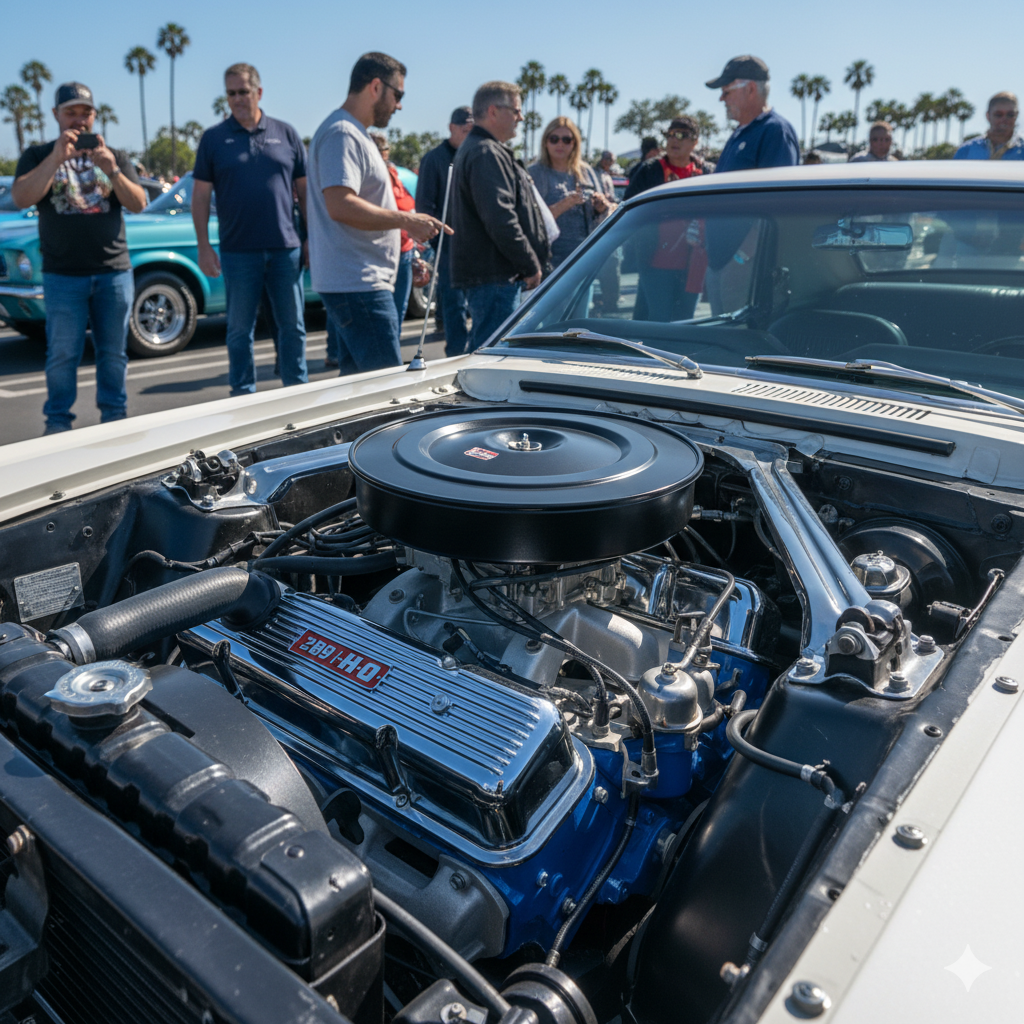
Concours d’Elegance judging criteria evaluate engine bays on authenticity, condition, and cleanliness. Understanding these standards helps determine the appropriate level of detailing for your classic car’s intended use.
Class judging typically allows some wear and patina while requiring cleanliness and proper maintenance appearance. This level suits driver-quality classics and cars shown in preservation classes.
Concours judging demands near-perfect appearance with authentic materials, correct finishes, and period-appropriate components. This standard requires extensive research and specialized techniques.
Touring events focus more on functionality and basic cleanliness rather than perfection. Engine bays should look maintained but don’t need show-car preparation.
Judging Criteria Understanding
Different classic car events emphasize various aspects of engine bay presentation. Some judges prioritize originality above all else, while others value quality restoration work that improves on factory standards.
Research your target events’ judging criteria before choosing a detailing approach. A perfectly restored engine bay might score lower in a preservation class than a properly maintained original bay with appropriate patina.
San Diego Climate Considerations for Classic Cars
Southern California’s year-round driving season creates unique maintenance needs for classic cars. Unlike seasonal storage areas, San Diego classics accumulate dust, salt exposure, and UV damage continuously.
Coastal areas from La Jolla to Del Mar expose chrome bumpers, trim pieces, and engine components to salt air that accelerates corrosion. Regular cleaning becomes more critical than in dry inland areas.
Inland regions like Escondido and Ramona create different challenges with higher temperatures and dust accumulation. Engine bays collect more debris and may overheat more easily in summer traffic.
Dennis Auto Details understands these regional differences and adjusts cleaning techniques based on your vehicle’s primary storage and driving locations throughout San Diego County.
UV Protection Strategies
California sun degrades rubber components faster than most climates. Hoses, belts, and seals in classic cars may be original or early reproductions that lack modern UV inhibitors.
Professional detailing includes appropriate protectants for various materials without over-treating surfaces that should show appropriate age. Balance protection with authenticity requirements based on your car’s purpose and value.
Professional vs. DIY Classic Car Care

Classic car engine bay detailing requires specialized knowledge that most owners don’t possess. Understanding component materials, appropriate chemicals, and historical accuracy takes years to develop.
Professional services provide insurance protection for valuable classic cars. If something goes wrong during DIY cleaning, your collector car insurance might not cover damage from improper maintenance procedures.
Time investment for proper classic car detailing often exceeds owner availability. Professional detailers work efficiently while maintaining quality standards that protect your investment.
Investment Protection
Classic cars appreciate in value when properly maintained. Professional documentation of care and maintenance adds to resale value and authenticity verification for future buyers.
Insurance companies often require professional maintenance records for agreed-value policies on high-end classics. Regular professional detailing creates the documentation needed for claims and appraisals.
Key Takeaways
- Classic cars require specialized engine bay cleaning that differs significantly from modern vehicle detailing
- San Diego’s coastal climate demands regular maintenance to prevent salt air corrosion and UV damage
- Professional services understand the difference between preservation and restoration approaches
- Electrical systems in vintage cars need extra protection during cleaning procedures
- Original components with desirable patina require different treatment than replacement parts
- Show-quality detailing follows specific judging criteria that vary between event types
- Professional documentation protects investment value and insurance coverage
- Regional climate differences throughout San Diego County affect maintenance needs
“Dennis took exceptional care of my 1965 Mustang’s engine bay. He understood exactly what needed preservation versus restoration and made my car show-ready while maintaining its authentic character.”
– Classic car owner review
Dennis Auto Details brings certified expertise to San Diego’s classic car community. Our team understands the unique needs of vintage vehicles and provides specialized engine bay detailing services that preserve your automotive heritage while protecting your investment.
Contact us at (858) 798-6657 to discuss your classic car’s specific needs, or schedule your appointment online for mobile service throughout San Diego County.
Something went wrong. Please refresh the page and/or try again.