
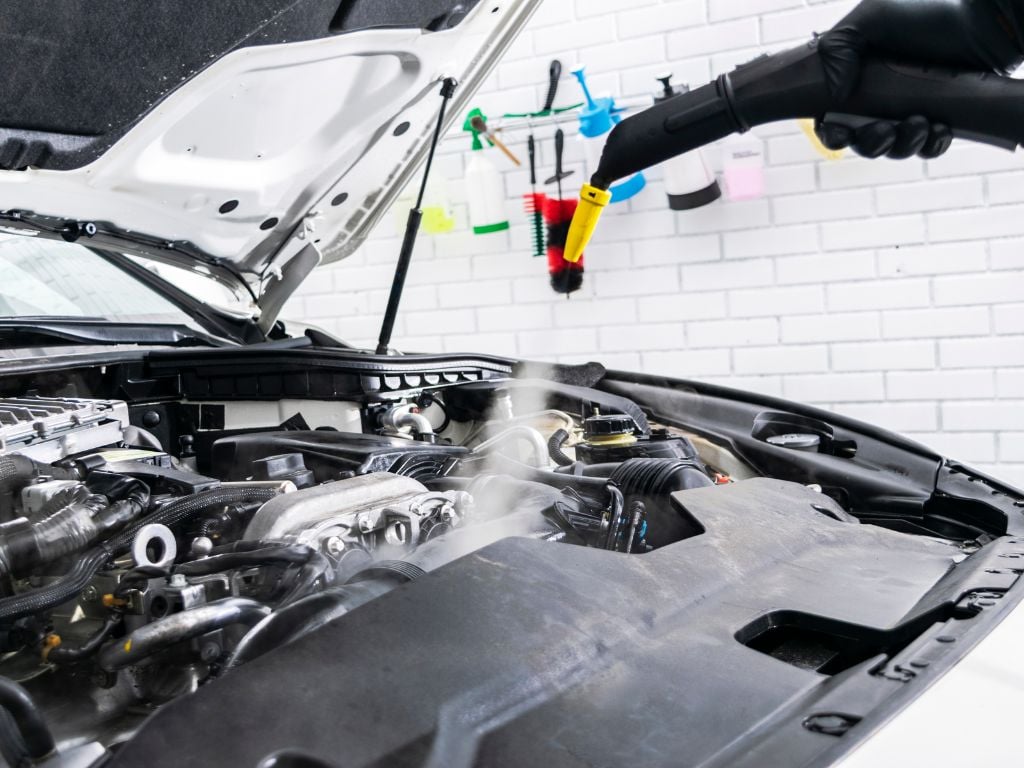
How Professional Detailers Protect Sensitive Engine Components During Cleaning
TL;DR: Professional engine bay detailing protects sensitive components like electronics, sensors, and alternators through systematic preparation, specialized tools, and proper techniques. Certified detailers use a 7-step process that includes component masking, appropriate pressure levels, and quality products to clean safely without risking damage to expensive parts. Dennis Auto Details brings this expertise to your location in San Diego with mobile service and certified installers.
Your Mercedes sits in the driveway, the morning sun highlighting every curve. You pop the hood to check the oil, and instead of gleaming metal and clean components, you see five years of grime, dust, and oil residue coating everything. You want it clean, but one question stops you: what happens if water gets into the electronics?
You’re right to worry. Modern luxury vehicles contain thousands of dollars in sensitive electronics under the hood. A BMW’s engine bay houses intricate sensors worth $500 each. A Tesla’s front compartment contains high-voltage components that demand respect. A Porsche’s alternator costs $1,200 to replace.
The difference between a clean engine bay and a damaged one comes down to knowledge and technique.
Why Engine Bay Cleaning Requires Special Protection
Modern engines contain more electronics than computers from a decade ago. Your luxury vehicle’s engine bay includes:
- Electronic Control Units (ECUs): The brain of your engine, costing $1,000-$3,000 to replace
- Mass Airflow Sensors: Delicate components that fail if water enters, running $200-$400
- Alternator and Battery: Water in the wrong place causes immediate electrical issues
- ABS Modules: Critical safety systems that don’t tolerate moisture
- Ignition Coils: Water exposure leads to misfires and poor performance
- Various Connectors: Corroded connections cost hundreds to repair
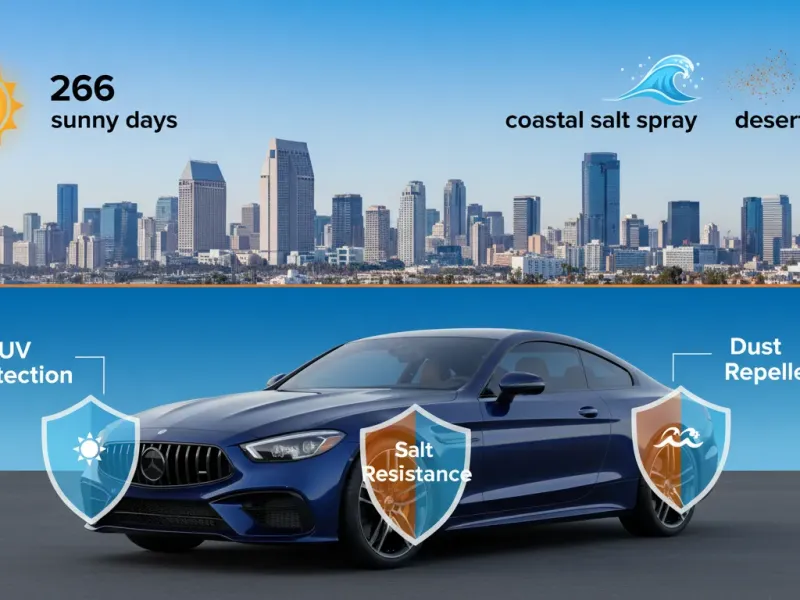
San Diego’s coastal climate adds another layer of concern. Salt spray from our ocean air accelerates corrosion when combined with trapped moisture. Inland areas accumulate dust that turns into mud when wet, potentially clogging sensors and drains.
Professional engine bay detailing techniques address these concerns through systematic protection and controlled cleaning.
The 7-Step Professional Engine Bay Cleaning Process
Step 1: Pre-Cleaning Assessment and Photography
Professional detailers start by documenting your engine bay’s current condition. This creates a record of existing issues and prevents disputes about pre-existing damage.
What we look for:
- Fluid leaks that need addressing before cleaning
- Cracked hoses or belts requiring replacement
- Corroded connections needing special attention
- Areas of heavy buildup requiring extended dwell time
This assessment takes 5-10 minutes but saves thousands in potential damage. A detailer who rushes this step might miss a cracked battery terminal that could fail when wet.
Step 2: Component Protection and Masking
This step separates professionals from amateurs. How detailers protect engine electronics when cleaning determines success or failure.
Critical components we cover:
Electrical Connections: Every connector receives a plastic bag or specialized wrap. This includes:
- Battery terminals (wrapped individually)
- Fuse box covers (taped sealed)
- Sensor plugs (covered with waterproof material)
- ECU housings (completely protected)
Intake System: Water entering your intake manifold travels straight to cylinders, causing catastrophic damage. We seal:
- Air filter housing (removed or covered completely)
- Intake runners (covered with shop towels)
- MAF sensor (protected with plastic wrap)
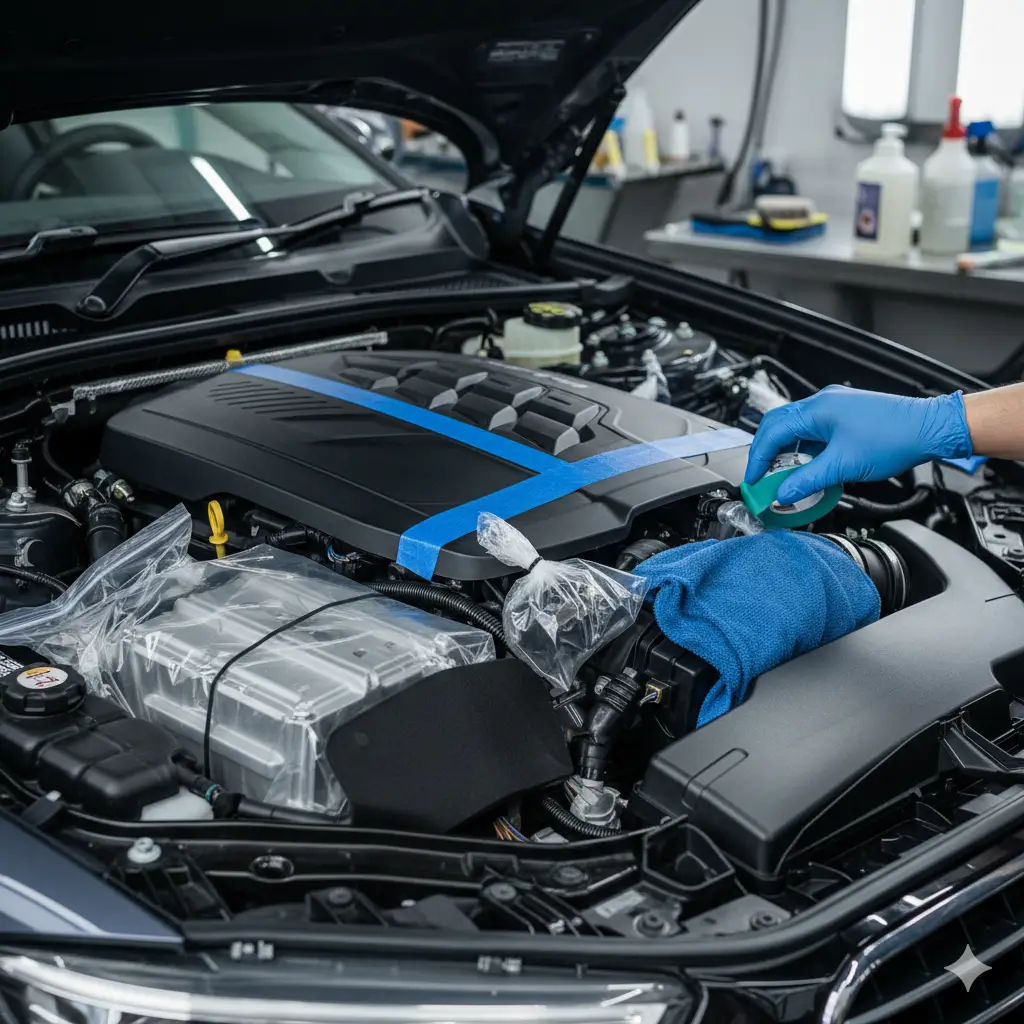
Alternator and Starter: These components tolerate some moisture but fail when directly sprayed. We use strategic shielding that allows cleaning around them without soaking internal components.
Sensitive Sensors: Modern engines contain dozens of sensors. Oxygen sensors, knock sensors, and temperature sensors all require protection during the professional engine cleaning process.
Professional detailers use specialized masking tape that doesn’t leave residue and withstands cleaners and water pressure. Regular tape fails, leaving adhesive that attracts more dirt.
Step 3: Appropriate Degreasing Application
Safe engine bay cleaning techniques start with selecting the right products for your vehicle.
Product Selection Matters:
pH-Balanced Degreasers: Professional-grade cleaners work at pH levels (typically 10-11) that cut grease without damaging aluminum, rubber, or plastic components. Consumer products often exceed pH 12, causing:
- Rubber hose degradation
- Plastic housing clouding
- Aluminum corrosion
- Paint discoloration
Vehicle-Specific Formulas: Different vehicles need different approaches:
- European Luxury Cars (BMW, Mercedes, Audi): Require gentle formulas that won’t damage the extensive plastic engine covers and sensitive wiring
- Tesla and EVs: Need specialized cleaners safe for high-voltage components and sealed battery systems
- Porsche and Performance Cars: Benefit from cleaners that won’t affect carbon fiber or exotic metal components
Application Technique: Professionals apply degreaser from bottom to top, allowing gravity to help the product work. We use foam applicators that stick to vertical surfaces, giving the cleaner time to break down oils and grime.
The product dwells for 3-5 minutes on normal buildup, up to 10 minutes on heavy deposits. Rushing this step means using more pressure later, which increases risk.
Step 4: Safe Agitation Methods
What to cover when cleaning engine bay components gets answered in the masking step. How to agitate safely determines whether cleaning succeeds without damage.
Professional Agitation Tools:
Soft-Bristle Brushes: We use brushes with different stiffness levels:
- Extra Soft: For painted surfaces and delicate sensors
- Medium: For plastic covers and hoses
- Firm: For metal brackets and structural components
Detailing Brushes: Small brushes reach tight spaces around wiring harnesses and behind components. These prevent the need for high pressure in difficult areas.
Microfiber Applicators: For extremely sensitive areas, microfiber pads apply cleaner and agitate gently without risk of scratching.
What We Avoid:
- Steel brushes that scratch aluminum
- Harsh scrubbing on electrical connections
- Aggressive agitation near sensors
- Spinning brush tools that can snag wiring
Proper agitation removes 80% of contamination before any water touches your engine. This reduces the pressure and water volume needed later.
Step 5: Controlled Rinsing with Appropriate Pressure
Engine cleaning safety precautions become most critical during rinsing. This step causes more damage than all others combined when done incorrectly.
Pressure Management:
PSI Levels: Professional engine bay detailing uses 500-800 PSI maximum. Most consumer pressure washers operate at 1,500-3,000 PSI, which:
- Forces water past seals and into connectors
- Damages rubber grommets and boots
- Strips paint from components
- Displaces protective coatings
Distance Control: We maintain 18-24 inches from sensitive components, increasing to 30+ inches for electrical areas. This distance reduces effective pressure while providing adequate cleaning force.
Spray Pattern: Wide fan patterns distribute pressure across larger areas. We never use pinpoint or rotating nozzles near electronics.
Water Temperature: Lukewarm water (80-100°F) works best. Cold water doesn’t rinse degreaser effectively. Hot water can damage plastic components and create steam that penetrates seals.
Directional Spray: Always spray at downward angles, encouraging water to drain away from components rather than pooling. Professional vs DIY engine cleaning safety differs most in this attention to water flow direction.
Step 6: Immediate and Thorough Drying
Water left standing on components causes immediate problems. Professional detailers dry engines immediately after rinsing.

Drying Equipment:
Filtered Compressed Air: We use air pressure (30-40 PSI) to blow water from:
- Behind components and brackets
- Inside crevices and joints
- Around sensor housings
- From under plastic covers
Air Direction: Always blow water downward and outward, never forcing it deeper into cavities or toward electrical components.
Microfiber Towels: Absorbent towels remove water from flat surfaces and wipe down hoses, covers, and brackets.
Leaf Blowers: Commercial-grade blowers provide high volume air movement without excessive pressure, perfect for removing bulk water quickly.
Shop Vacuums: We use wet/dry vacuums to extract water from deep crevices where it could otherwise sit and cause corrosion.
Inspection: After initial drying, we remove protective coverings and inspect for any trapped moisture, using compressed air to clear it before it causes problems.
Step 7: Protection and Dressing Application
Clean components need protection from San Diego’s climate. Professional detailers apply appropriate protectants to prevent immediate re-soiling and corrosion.
Protectant Selection:
Water-Based Dressings: Modern protectants use water-based formulas that:
- Don’t attract dust like silicone products
- Provide UV protection for hoses and plastic
- Create moisture barriers on metal surfaces
- Look natural rather than artificially shiny
Application Areas:
- Plastic engine covers (prevents fading)
- Rubber hoses (stops cracking)
- Metal brackets (inhibits corrosion)
- Battery terminals (special anti-corrosion spray)
What We Avoid: Silicone sprays on belts (causes slipping), excess product on exhaust components (creates smoke), and dressing on sensors or electrical connections.
Specialized Tools Professional Detailers Use
How professional detailers clean engine safely depends heavily on equipment quality and selection.
Water Delivery Systems
Adjustable Pressure Washers: Professional units allow precise pressure control from 100-2,000 PSI. We set pressure based on specific tasks:
- 400-600 PSI: Initial rinse around electronics
- 600-800 PSI: General component cleaning
- Never exceeding 1,000 PSI in engine bays

Foam Cannons: These create thick foam that clings to surfaces, maximizing cleaner dwell time while using minimal water. The foam prevents cleaners from immediately running off vertical surfaces.
Pump Sprayers: For extremely sensitive areas, hand-pump sprayers deliver cleaner at near-zero pressure, allowing complete control.
Extraction and Drying Equipment
Industrial Air Compressors: Provide consistent, filtered air pressure for drying. Filtration prevents oil contamination from the compressor.
Commercial Leaf Blowers: Move large volumes of air efficiently, cutting drying time from 30 minutes to 5 minutes.
Wet/Dry Shop Vacuums: Extract water from areas air can’t reach, particularly important around firewall penetrations and in seam areas.
Protective Equipment
Professional Masking Materials: Specialized automotive masking tape, plastic sheeting, and rubber covers that withstand cleaners and water without degrading.
Component-Specific Covers: We stock covers for common components like batteries, fuse boxes, and air filter housings that provide better protection than improvised coverings.
Why Certification Matters for Engine Bay Detailing
Certified engine bay detailing service providers understand manufacturer specifications and proper techniques through formal training.
Professional Certifications
3M Certification: Covers proper product selection and application techniques for various surfaces and materials found in engine bays.
Rupes Training: Teaches safe polishing and finishing techniques when cleaning painted or polished engine components.
Meguiar’s Professional Line: Training includes chemical knowledge and surface-specific treatments.
Benefits of Certified Detailers
Up-to-Date Knowledge: Certifications require ongoing education about new vehicle technologies, particularly important as EVs and hybrid systems become more common.
Proper Product Selection: Certified detailers understand which products work on which surfaces and which combinations create problems.
Manufacturer Compliance: Training covers manufacturer recommendations, helping maintain warranty coverage.
Insurance Requirements: Professional certification often reduces insurance costs or fulfills insurance requirements, protecting customers from liability.
Insurance and Warranty Protection
Professional engine detailing near me should always include proper insurance coverage and warranty protection policies.
Insurance Coverage
Reputable mobile detailing services carry:
General Liability Insurance: Covers damage to your vehicle during service. Minimum coverage should be $1 million.
Professional Liability Insurance: Protects against claims of negligence or improper technique causing damage.
Commercial Auto Insurance: Covers the service vehicle and equipment during transit.
Workers Compensation: Protects you from liability if a detailer is injured on your property.
Warranty Considerations
Maintaining Factory Warranty: Professional engine bay detailing performed correctly doesn’t void warranties. In fact, documentation of proper maintenance can support warranty claims.
Service Documentation: Professional detailers provide:
- Before and after photos
- Service reports detailing work performed
- Product lists showing what was used
- Any issues discovered during service
This documentation proves proper maintenance if warranty questions arise later.
Manufacturer-Approved Methods: Certified detailers follow methods that align with manufacturer service procedures, ensuring warranty compliance.
The Mobile Advantage in San Diego
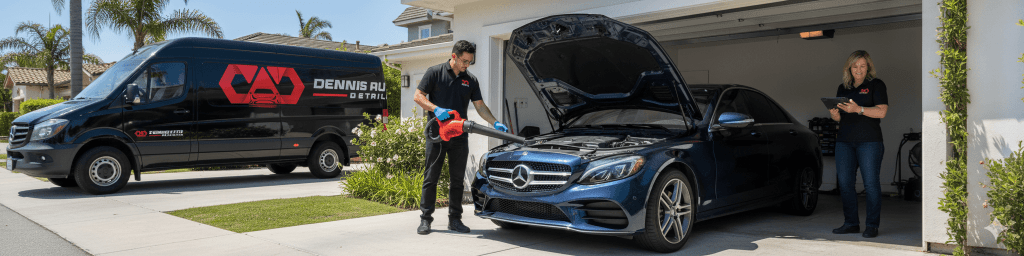
Mobile engine cleaning La Jolla and surrounding areas offers advantages beyond convenience when protecting sensitive components.
Controlled Environment
Weather Selection: Mobile detailers schedule service during optimal conditions:
- Avoiding extremely hot days (prevents rapid chemical evaporation)
- Checking weather to ensure proper drying time
- Working in shade when possible to prevent water spots
Your Location: Cleaning at your home or office provides:
- Access to your garage for indoor drying if needed
- Availability to answer questions about your vehicle
- Immediate access if any issues need discussion
Immediate Service
Engine problems discovered during cleaning can be addressed immediately:
- Fluid leaks identified and noted
- Loose connections tightened
- Belt condition assessed
- Hose condition evaluated
This prevents small issues from becoming expensive repairs.
Equipment Advantages
Mobile units carry comprehensive equipment:
- Water tanks (no need for your water supply)
- Power generators (independent operation)
- Complete tool sets
- All products needed for your specific vehicle
Special Considerations for Luxury Vehicles
Safe engine bay cleaning San Diego luxury car owners require extra attention to unique components and materials.
European Luxury Brands
BMW Engine Bays: Feature extensive plastic covering systems that require removal for proper cleaning. Professionals understand:
- Proper removal and reinstallation sequences
- Clip locations and replacement needs
- Electrical connector routing
- Hidden fastener locations
Mercedes-Benz Considerations: Often include sound deadening materials and insulation that hold moisture if not properly dried. Special attention to:
- Underhood insulation (must be completely dried)
- Extensive wiring harnesses (require careful protection)
- Aluminum components (need pH-appropriate cleaners)
Porsche Engine Bays: Particularly on rear-engine models, require specific access and protection procedures. Professionals understand:
- Limited access points requiring specialized tools
- High-performance component cooling needs
- Carbon fiber trim protection
- Exotic metal corrosion prevention
Tesla and Electric Vehicles
High-Voltage Safety: EV engine compartments (or “frunks”) contain high-voltage systems requiring specialized knowledge:
- Understanding which areas are safe to clean
- Recognizing high-voltage warnings and barriers
- Using appropriate products that won’t affect seals
- Following Tesla’s car wash mode procedures
Sealed System Benefits: EVs generally have fewer cleaning challenges than internal combustion engines:
- No oil or grease buildup
- Fewer exposed components
- More sealed electrical systems
However, this doesn’t mean they can be cleaned carelessly. Professional knowledge prevents damage to expensive battery and motor control systems.
Common Questions About Engine Component Protection
Can I use a regular garden hose?
Garden hoses provide lower pressure than pressure washers, but professionals still use them carefully. The key is technique, not just pressure. Garden hoses work for rinsing if you:
- Use appropriate spray nozzle settings
- Maintain proper distance from components
- Direct water downward
- Don’t force water into seals or connectors
However, garden hoses lack the controlled pressure that makes professional equipment safer. You can’t easily adjust flow and pressure for different areas.
How long should I wait before starting my engine after cleaning?
Professional detailers ensure complete drying before finishing service. Your engine should start immediately after proper professional cleaning. If a detailer tells you to wait several hours, they haven’t dried your engine properly.
We verify drying by:
- Running engines after service to check for issues
- Listening for unusual sounds indicating moisture
- Monitoring for steam or smoke from residual water
- Checking warning lights for electrical concerns
Does engine bay cleaning affect my warranty?
Engine bay cleaning performed professionally doesn’t void warranties. The Magnuson-Moss Warranty Act protects consumers from warranty denial unless the service directly caused the problem.
However, DIY cleaning that causes damage can definitely affect warranty coverage. This is why professional service provides protection:
Professional detailers understand warranty requirements
Documentation proves proper maintenance
Insurance covers any service-related damage
Certified techniques follow manufacturer guidelines
What about older vehicles?
Older vehicles often need engine bay cleaning more than new ones but require extra care due to:
- Degraded wire insulation
- Brittle plastic connectors
- Corroded electrical connections
- Worn seals and gaskets
Professional detailers adjust techniques for older vehicles:
- Lower pressure throughout
- More extensive masking
- Gentler chemicals
- Extra drying time
- Post-service inspection for leaks
The Cost of Improper Engine Bay Cleaning
Understanding the risks helps explain why professional service provides value.
Common DIY Damage Examples
Water in Electronics: A soaked ECU costs $1,000-$3,000 to replace. Water in a sensor runs $200-$600 including diagnosis and repair.
Damaged Alternator: Water forced into alternator bearings causes bearing failure within weeks. Replacement costs $400-$1,200 depending on vehicle.
Corroded Connections: Moisture trapped in connectors causes corrosion. Individual connector repairs run $100-$300. Harness replacement can exceed $1,000.
Hydro-Locked Engine: Water entering the intake system causes catastrophic engine damage. Repair or replacement costs $5,000-$15,000+.
Professional Service Value
Dennis Auto Details charges $150 for professional engine bay detailing. This includes:
- All products and supplies
- Mobile service to your location
- Complete 7-step process
- Insurance and warranty protection
- Certified installer expertise
- Before/after documentation
Compare this to a single sensor replacement ($300-$600) or electrical repair ($150-$500), and professional service becomes an obvious choice for protecting your investment.
Service Areas and Booking
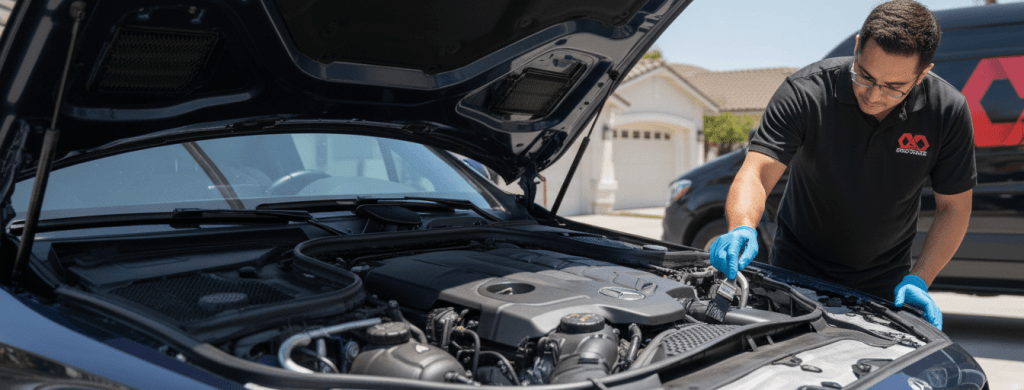
Dennis Auto Details provides safe engine bay cleaning San Diego County residents trust, serving 40+ neighborhoods including:
High-End Neighborhoods We Serve
La Jolla: Home to San Diego’s luxury vehicle concentration. We serve the entire La Jolla area with mobile engine bay detailing that comes to your beachfront property, inland estate, or office.
Rancho Santa Fe: Where vehicle values often exceed $100,000. We understand the specialized needs of exotic and luxury vehicles common in this area.
Del Mar: Coastal location means salt spray concerns. Our process includes corrosion prevention specifically important for beach-area vehicles.
Coronado: Military and affluent residents receive the same professional service with flexible scheduling around deployments and busy schedules.
Carlsbad: North County’s hub for luxury vehicles and RVs. We serve residential areas and can accommodate larger vehicles.
Encinitas: Coastal community requiring specialized attention to salt-air corrosion prevention.
Additional Service Areas
We also serve: Pacific Beach, Downtown San Diego, Carmel Valley, 4S Ranch, Scripps Ranch, Poway, Escondido, San Marcos, Oceanside, Vista, Fallbrook, and throughout San Diego County.
Book Your Service
Call: 858-798-6657
Mobile Service: We come to your home or office
Pricing: $150 for engine bay detailing
Hours: Monday-Saturday 8am-6pm, Sunday 9am-5pm
No upfront payment required. We bring all equipment and supplies. Service takes 30-60 minutes depending on engine condition.
Key Takeaways
Component Protection is Critical: Modern engines contain thousands of dollars in sensitive electronics that require systematic protection during cleaning.
Professional Process Matters: The 7-step process (assessment, masking, degreasing, agitation, controlled rinsing, immediate drying, and protection) ensures safe cleaning without damage.
Pressure Control Prevents Damage: Professional equipment allows precise pressure adjustment (400-800 PSI maximum) while consumer pressure washers typically operate at damaging levels (1,500-3,000 PSI).
Certification Provides Peace of Mind: 3M, Rupes, and Meguiar’s certifications ensure detailers understand proper techniques, products, and vehicle-specific requirements.
Insurance Protects Your Investment: Professional service includes liability coverage that protects you from damage risks inherent in engine bay cleaning.
Mobile Service Offers Advantages: Weather control, environment selection, and immediate issue identification make mobile detailing superior for engine bay service.
Documentation Supports Warranty: Professional service provides photo documentation and service records that support warranty claims and prove proper maintenance.
San Diego Climate Requires Special Attention: Coastal salt spray and inland dust accumulation make regular professional cleaning important for preventing corrosion and maintaining vehicle value.
DIY Risks Outweigh Savings: A single damaged sensor ($300-$600) or electrical repair ($150-$500) costs more than professional service ($150) while carrying none of the protections.
Luxury Vehicles Need Extra Care: European brands, exotic materials, and high-performance components require specialized knowledge and techniques that certified professionals provide.
Your luxury vehicle represents a significant investment. Protecting that investment during maintenance isn’t where you should cut corners. Professional engine bay detailing provides the expertise, equipment, and insurance protection that ensures your engine bay gets clean without risk to expensive components.
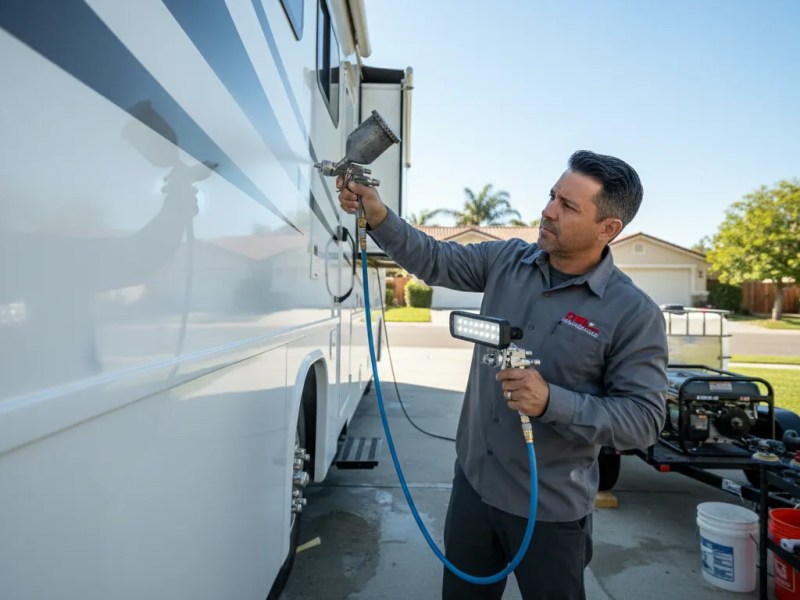
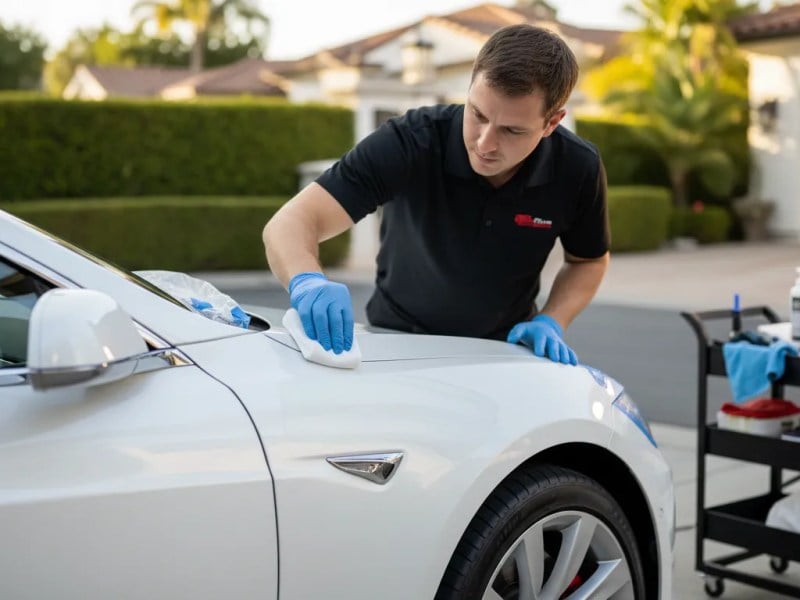
Dennis Auto Details brings certified expertise directly to your San Diego location. Our mobile service means your vehicle gets professional care in optimal conditions, with immediate drying and protection application.
Ready to safely clean your engine bay?
Call 858-798-6657 or visit dennisautodetails.com to book your $150 mobile engine bay detailing service today.


Something went wrong. Please refresh the page and/or try again.