
Clay Bar Treatment: The Deep Clean Your Car Paint Needs
TL;DR: Clay bar treatment removes embedded contaminants like pollen, tar, and tree sap that regular washing can’t eliminate, creating a smooth surface perfect for waxing or ceramic coating. San Diego drivers should clay bar their vehicles every 3-4 months due to coastal conditions and year-round driving.
Your car’s paint might look clean after a wash, but run your hand across the surface. Feel that roughness? Those are embedded contaminants that soap and water simply can’t remove. Clay bar treatment in San Diego drivers need goes beyond surface cleaning to eliminate these stubborn particles that make your paint feel like sandpaper.
What Is Clay Bar Treatment for Cars?
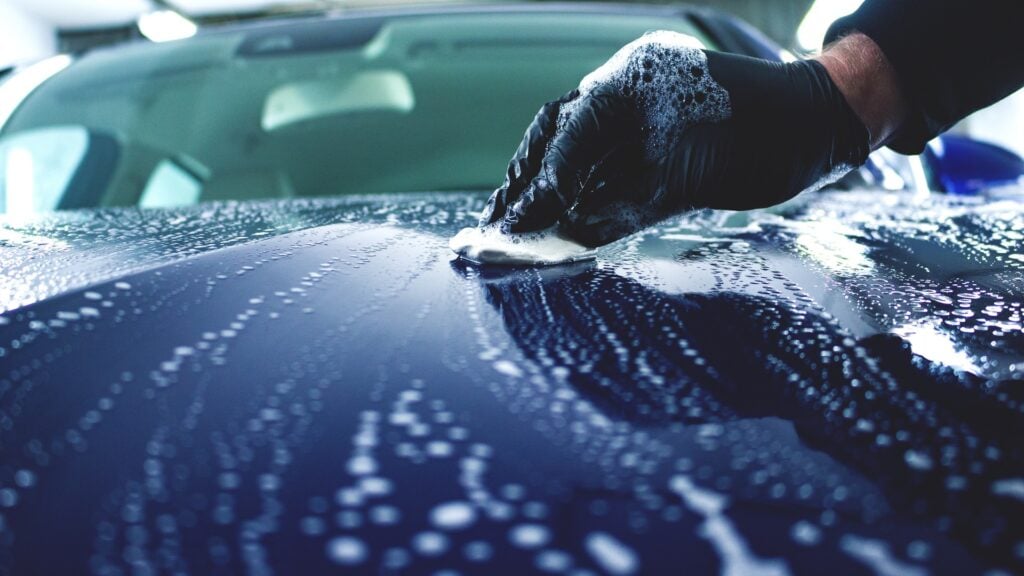
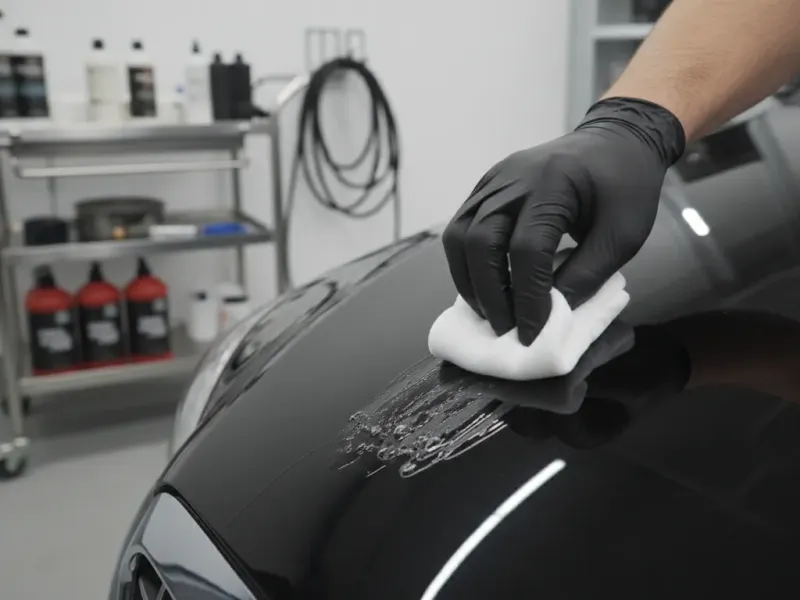
Clay bar treatment uses a malleable clay compound to physically remove contamination bonded to your paint surface. Think of it as giving your car a deep exfoliation treatment. The process involves lubricating the paint and gently gliding the clay bar across the surface, where it picks up microscopic particles that washing leaves behind.
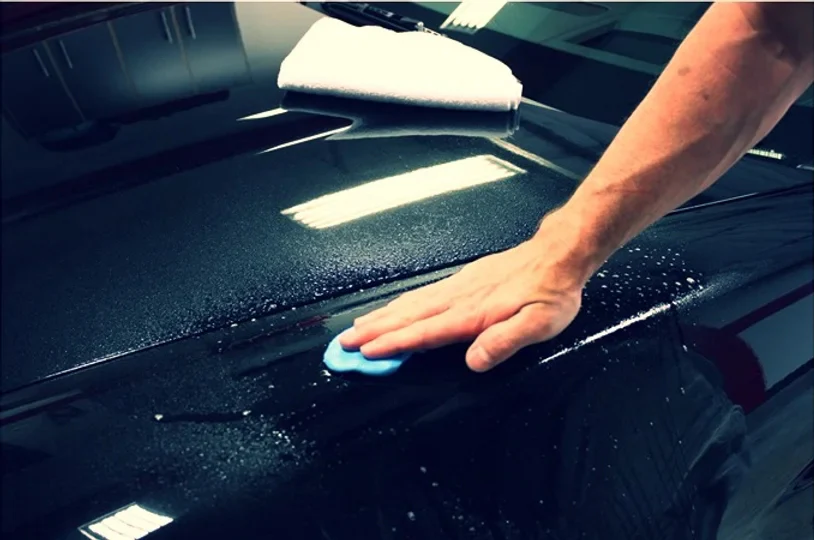
Unlike abrasive polishing compounds, clay bars work through adhesion rather than abrasion. The clay grabs onto contaminants and pulls them away from the paint without scratching the clear coat. This paint decontamination process reveals the true condition of your paint underneath all that built-up grime.
Unlike abrasive polishing compounds, clay bars work through adhesion rather than abrasion. The clay grabs onto contaminants and pulls them away from the paint without scratching the clear coat. This paint decontamination process reveals the true condition of your paint underneath all that built-up grime.
Professional detailers know that embedded contaminant removal is essential before any paint protection application. Without proper decontamination, waxes and sealants can’t bond correctly to the paint surface, reducing their effectiveness and longevity.
Why San Diego Cars Need Regular Clay Bar Treatment
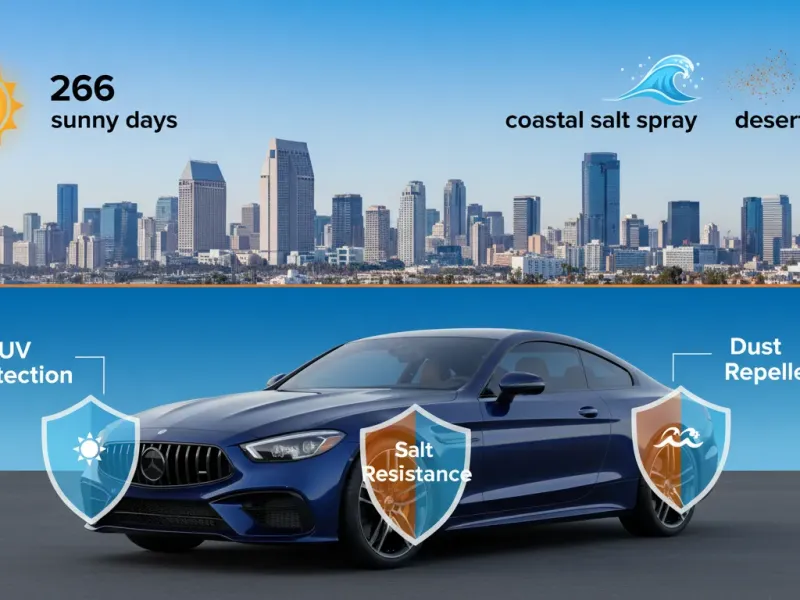
San Diego’s unique environment creates perfect conditions for paint contamination. The coastal air carries salt particles that embed in your paint, while year-round driving means constant exposure to road debris and environmental pollutants.
Pollen season in San Diego runs from February through September, depositing a fine layer of particles that washing alone cannot remove. These microscopic particles create a rough texture that traps dirt and reduces your paint’s shine.
Tree sap from the region’s abundant eucalyptus and pine trees bonds chemically to your paint. Once heated by the San Diego sun, tree sap becomes even more difficult to remove through conventional washing methods.
Tar spots from road construction and maintenance are common throughout San Diego County. These petroleum-based contaminants require specialized removal techniques that clay bar treatment provides effectively.
The combination of ocean moisture, automotive emissions, and construction dust creates an invisible film on your paint that builds up over time. Regular professional car cleaning with clay bar treatment prevents this buildup from permanently staining your clear coat.
How Often Should I Clay Bar My Car in San Diego?
San Diego drivers should perform clay bar treatment every 3-4 months due to the region’s year-round driving conditions and environmental factors. Unlike areas with harsh winters where cars sit garaged for months, San Diego vehicles face constant exposure to contaminants.
Daily commuters who drive major routes like I-5, I-805, or Highway 163 may need clay bar treatment more frequently due to increased exposure to road grime and construction debris. These high-traffic areas generate more particulate matter that settles on vehicle surfaces.
Coastal residents should consider quarterly clay bar treatments because salt air accelerates contamination buildup. The combination of ocean spray and humidity causes particles to adhere more aggressively to paint surfaces.

Garage-kept vehicles can extend the interval to every 4-6 months, while cars parked outdoors under trees or in dusty areas may need treatment every 2-3 months.
The “baggie test” helps determine if your car needs clay bar treatment. Place a plastic bag over your hand and run it across a clean, wet paint surface. If you feel bumps or roughness through the bag, it’s time for clay bar treatment.
Clay Bar Before Wax or Ceramic Coating
Car paint preparation through clay bar treatment is absolutely essential before applying any protective coating. Attempting to wax or apply ceramic coating over contaminated paint is like painting over dirt – the results will be poor and short-lived.
Contaminants create an uneven surface that prevents proper adhesion of protective products. Wax applied over embedded particles will trap them against the paint, potentially causing scratches when the wax is removed during future washing.
Ceramic coating preparation requires an ultra-smooth, contamination-free surface for proper bonding. Professional ceramic coating installers always include clay bar treatment in their preparation process because even microscopic particles can prevent the coating from adhering correctly.
The clay bar process removes:
- Industrial fallout from manufacturing and construction
- Brake dust particles that embed in paint
- Microscopic metal particles from road wear
- Stubborn water spots that resist regular washing
- Oxidation and environmental staining
After clay bar treatment, your paint feels glass-smooth and exhibits deeper color and enhanced gloss. This perfect surface allows waxes and sealants to bond completely, maximizing their protective properties and lifespan.
Professional vs DIY Clay Bar Treatment
While clay bar kits are available for DIY enthusiasts, professional car cleaning services offer significant advantages in technique, products, and results. Professional detailers use commercial-grade clay compounds and proper lubrication systems that aren’t available to consumers.

DIY risks include:
- Scratching the paint from insufficient lubrication or contaminated clay
- Incomplete decontamination from inexperience identifying problem areas
- Time consumption – proper clay bar treatment takes 2-3 hours for thorough coverage
- Product waste from dropped clay or improper storage
Professional services provide:
- Expert technique developed through thousands of applications
- Commercial-grade products that work more effectively than consumer versions
- Proper preparation including wash and surface inspection
- Quality guarantee with insurance coverage for any potential issues
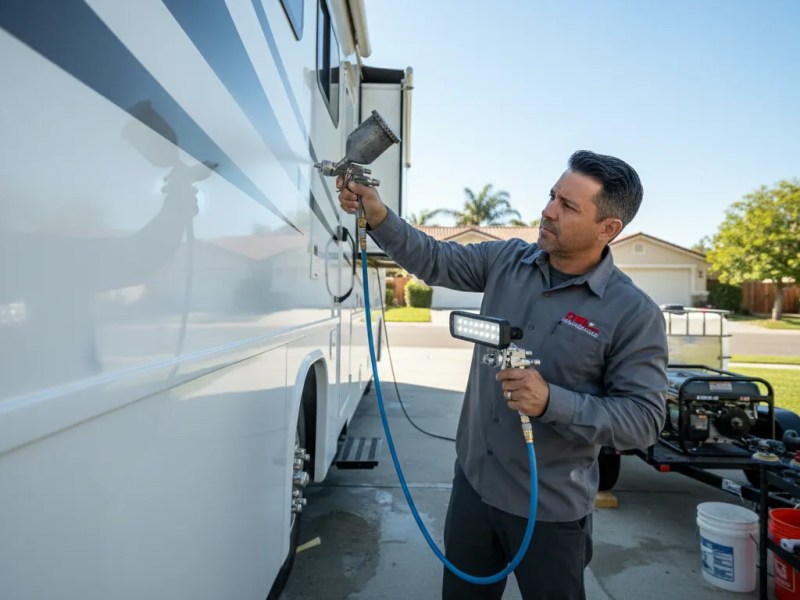
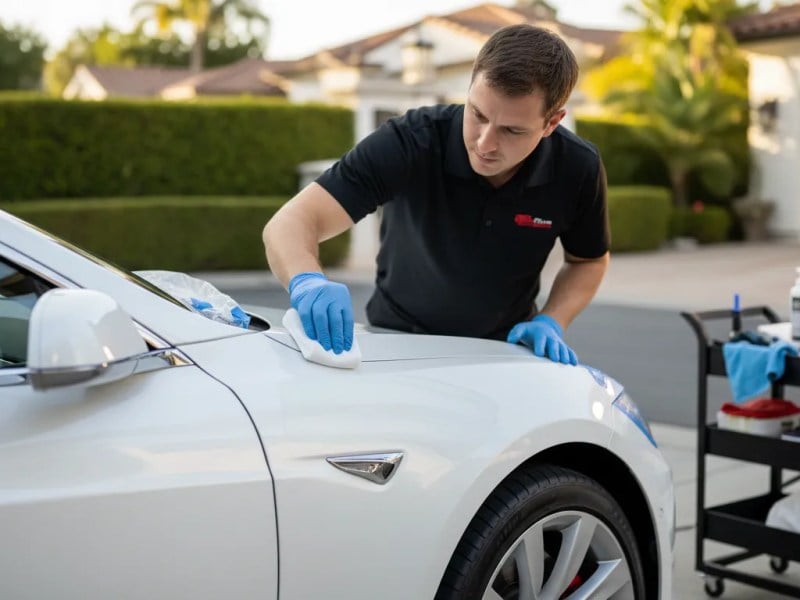
Mobile clay bar service providers like Dennis Auto Details in San Diego bring professional equipment and expertise directly to your location, eliminating the time and effort required for DIY treatment while ensuring superior results.
The Complete Clay Bar Process
Professional clay bar treatment follows a systematic approach that ensures safe, effective decontamination:
Pre-wash inspection identifies heavily contaminated areas that need extra attention. Professional detailers check for tar spots, tree sap, and embedded metal particles that may require specialized removal techniques.
Thorough washing removes surface dirt and debris that could interfere with the clay bar process. This step uses pH-neutral soaps that won’t strip existing wax or damage the paint.
Surface preparation involves sectioning the vehicle into manageable areas and applying appropriate lubrication. Professional-grade clay lubricants provide superior glide and contamination suspension compared to soapy water.
Clay bar application uses overlapping linear motions with light pressure. The clay changes color as it picks up contaminants, indicating when to fold and knead the clay to expose clean surfaces.
Final inspection includes running hands over treated areas to verify complete decontamination. Any remaining rough spots receive additional attention until the entire surface feels glass-smooth.
Post-treatment wash removes clay residue and lubricant, preparing the surface for protection application.
Clay Bar Treatment and Paint Protection
Clay bar treatment serves as the foundation for all paint protection systems. Whether you’re planning to apply traditional wax, paint sealant, or ceramic coating, starting with properly decontaminated paint ensures maximum effectiveness.
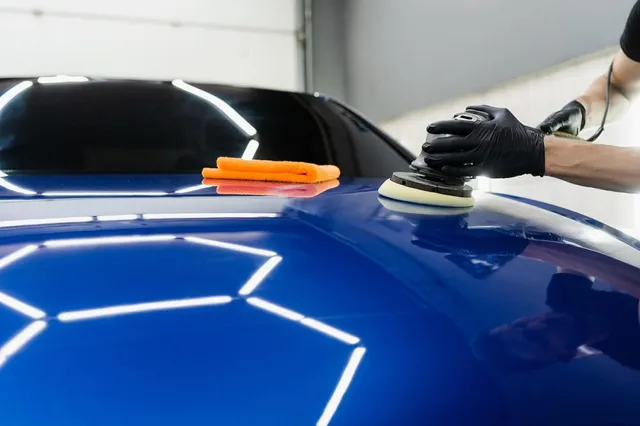
Wax application over clay-barred paint spreads more evenly and bonds more completely, extending protection life from 2-3 months to 4-6 months. The enhanced bonding also improves water beading and makes future washing easier.
Ceramic coating longevity depends entirely on proper surface preparation. Coatings applied over contaminated paint may fail prematurely or exhibit poor hydrophobic properties. Professional ceramic coating warranties typically require clay bar treatment as part of the preparation process.
Paint correction becomes more effective after clay bar treatment because polishing compounds can work directly on the clear coat rather than fighting through contamination layers. This results in better swirl mark removal and enhanced gloss development.
The investment in professional clay bar treatment pays dividends through:
- Extended protection product lifespan
- Enhanced visual appearance
- Easier maintenance washing
- Preserved paint condition and vehicle value
Environmental Benefits in San Diego
San Diego’s environmental consciousness extends to automotive care. Clay bar treatment supports eco-friendly vehicle maintenance by reducing the frequency of harsh chemical treatments needed to maintain paint condition.
Water conservation results from easier washing after clay bar treatment. Contamination-free paint releases dirt more readily, requiring less water and fewer cleaning products for maintenance washing.
Chemical reduction occurs because properly prepared paint accepts protection products more readily, reducing the amount of product needed for effective coverage.
Longevity benefits extend vehicle lifespan by maintaining paint condition, reducing the environmental impact of premature vehicle replacement.
Many professional detailing services in San Diego use biodegradable clay lubricants and follow water reclamation practices that minimize environmental impact while delivering superior results.
Key Takeaways
- Clay bar treatment removes embedded contaminants that regular washing cannot eliminate, creating a smooth surface essential for proper paint protection
- San Diego drivers should clay bar every 3-4 months due to year-round exposure to pollen, salt air, and road contaminants
- Professional treatment ensures safe, effective results without the risks associated with DIY application
- Clay bar treatment is mandatory before wax or ceramic coating application for proper adhesion and maximum protection lifespan
- The process enhances paint appearance while extending the life of protective coatings and simplifying maintenance
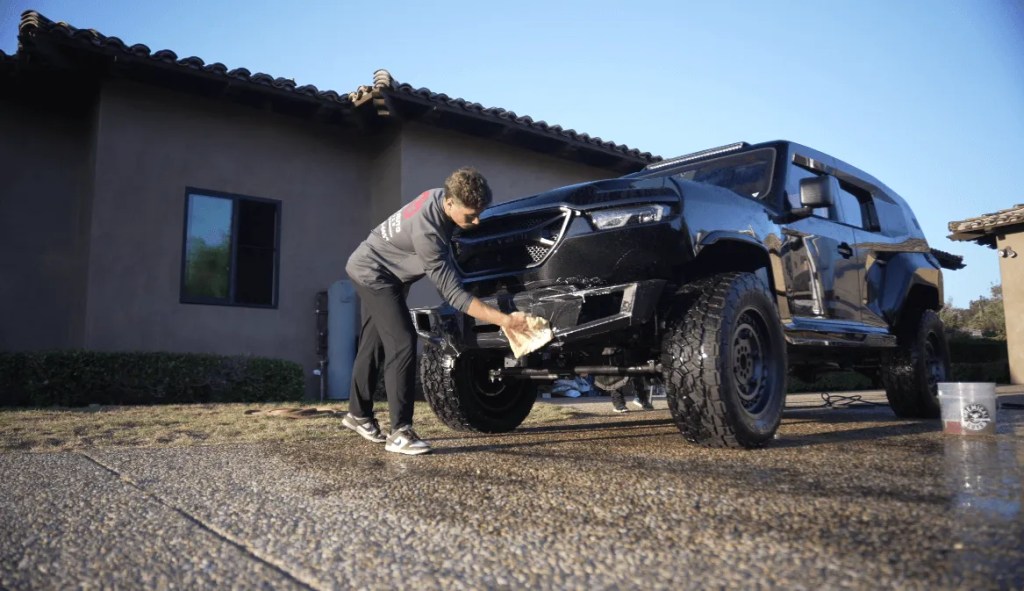
Ready to experience the difference proper paint decontamination makes? Dennis Auto Details provides expert clay bar treatment as part of our Premium Exterior Detail package, delivered conveniently to your location throughout San Diego County. Our certified technicians use commercial-grade products and proven techniques to ensure your vehicle’s paint receives the deep cleaning it deserves.
Schedule your clay bar treatment today by calling (858) 798-6657 or booking online. Your paint will thank you with enhanced gloss, improved protection, and that glass-smooth finish that makes every drive more enjoyable.


Something went wrong. Please refresh the page and/or try again.