
Complete Car Odor Removal Guide: Eliminate Stubborn Vehicle Smells
TL;DR: Car odors from smoke, pets, food, or mold require specific removal techniques. Professional treatments like ozone therapy and steam cleaning penetrate deep into upholstery and HVAC systems. Prevention includes regular cleaning, proper ventilation, and addressing spills immediately. Dennis Auto Details offers specialized odor removal services throughout San Diego County.
You slide into your car after work and immediately notice it—that unpleasant smell that makes you crack the windows even on hot days. Whether it’s lingering cigarette smoke from a previous owner, your dog’s wet fur scent, or that mystery smell you can’t quite identify, car odors affect your driving experience and your vehicle’s value.
The good news? Nearly all car odors can be eliminated with the right approach. This guide covers everything you need to know about identifying, removing, and preventing vehicle odors.
Understanding Why Car Odors Persist
Car interiors create the perfect environment for odors to linger. Fabrics, leather, plastics, and carpet all absorb smells. Your vehicle’s HVAC system circulates air through these materials, spreading odors throughout the cabin.
Temperature changes make things worse. San Diego’s warm climate causes materials to expand, releasing trapped odor molecules. The enclosed space of your car concentrates these smells, making them more noticeable than similar odors in your home.
Most DIY solutions mask odors temporarily rather than eliminating them. Air fresheners simply add a new scent on top of the existing problem. True odor removal requires targeting the source and neutralizing the smell-causing compounds.
Common Car Odor Types and Their Sources
Smoke Odor
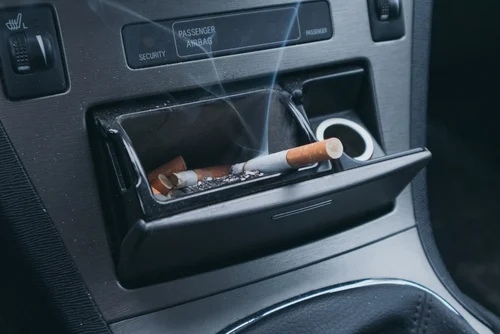
Cigarette and cigar smoke creates one of the most stubborn car odors. Tar and nicotine particles settle on every surface, including headliners, seats, carpets, and inside air vents. These particles continue releasing odor molecules for months or years.
Third-hand smoke residue also poses health concerns, especially for children. The smell reduces resale value significantly—buyers often walk away from otherwise perfect vehicles due to smoke odor.
Pet Odors
Dog and cat odors come from dander, saliva, and accidents. Pet hair carries oils that transfer to upholstery. Even well-behaved pets leave behind scents that build up over time.
Urine creates particularly difficult odors. The liquid soaks deep into seat padding and carpet backing, where it continues producing ammonia-based smells. Surface cleaning doesn’t reach these deposits.
Food and Beverage Smells
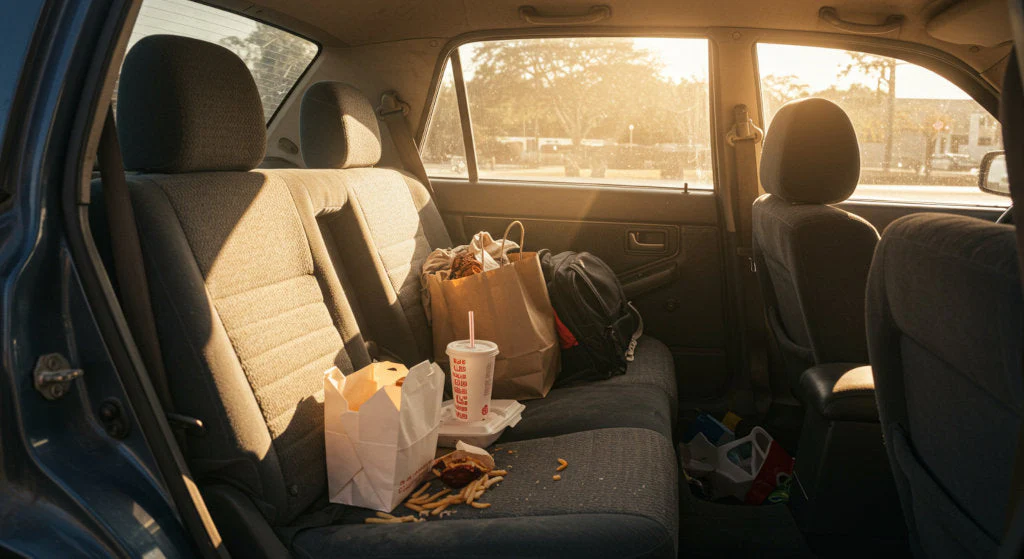
Spilled milk, forgotten fast food, and coffee stains create sour, rancid odors as bacteria break down organic matter. Food particles fall into crevices and under seats, decomposing slowly.
These odors intensify in warm weather. San Diego’s mild winters mean food-based smells persist year-round without freezing temperatures to slow bacterial growth.
Mold and Mildew
Moisture trapped in carpets, under floor mats, or in HVAC systems creates musty, earthy odors. Water leaks, wet gym bags, or simply leaving windows cracked during rain can cause mold growth.
The smell indicates an ongoing problem. Mold spores affect air quality and can trigger allergies or respiratory issues. Addressing the moisture source matters as much as removing the odor.
Chemical and Fuel Smells
Gas odors, oil leaks, or off-gassing from new plastics create sharp, chemical smells. These require immediate attention—fuel odors especially indicate potential safety issues.
New car smell, while pleasant to some, bothers others. This comes from volatile organic compounds (VOCs) released by adhesives, plastics, and treatments. The smell fades naturally but ventilation speeds the process.
Professional vs. DIY Odor Removal Methods

When DIY Approaches Work
Fresh odors respond well to home remedies. If you catch a spill immediately, basic cleaning prevents lasting smells. Minor pet odors or light food smells often clear with thorough vacuuming and spot cleaning.
Preventive maintenance also works as DIY. Regular cleaning stops odor buildup before it becomes a problem. Opening windows frequently and cleaning floor mats weekly prevents most casual odors.
When You Need Professional Help
Persistent smells that return after cleaning indicate deep contamination. The source sits beyond your reach—in seat padding, behind panels, or throughout the HVAC system.
Smoke odor removal requires professional equipment. Ozone generators, when used correctly, break down smoke molecules at a chemical level. This process needs proper timing, concentration, and ventilation to work safely and effectively.
Biological contamination from pet accidents or mold demands thorough sanitation. Professionals access deep layers of upholstery and use enzyme treatments that destroy odor-causing bacteria.
Resale preparation benefits from professional odor removal. Eliminating smells completely makes your vehicle more attractive to buyers and increases its value. Half-measures leave traces that buyers notice during test drives.
Professional services like those at Dennis Auto Details combine multiple techniques for complete odor elimination. This integrated approach addresses both surface and deep-seated odor sources.
The Complete Odor Removal Process
Initial Assessment
Professional odor removal starts with identifying the smell’s source and extent. Technicians check obvious areas like seats and carpets, then investigate hidden spots: under seats, in trunk wells, inside vents, and beneath floor coverings.
Different odor types require different treatments. Smoke needs oxidation, biological odors need enzyme breakdown, and mold requires moisture elimination plus antimicrobial treatment.
Deep Cleaning Foundation
Every odor removal service begins with thorough cleaning. This removes surface contaminants and prepares materials for deeper treatment.
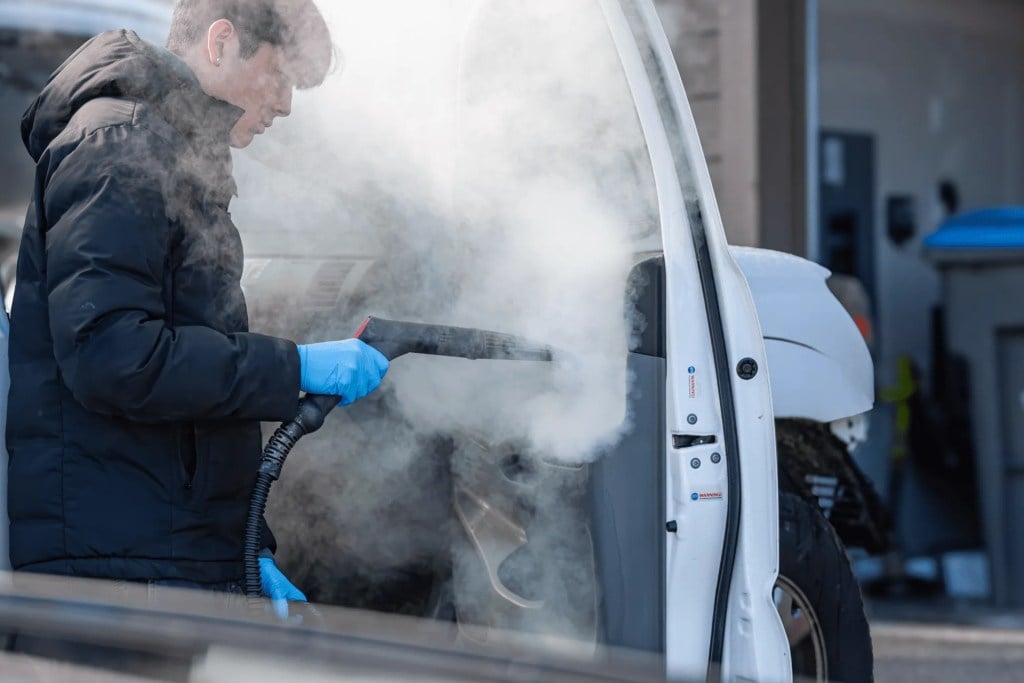
Vacuum extraction pulls particles from carpet fibers and upholstery. Steam cleaning penetrates fabric weave, lifting embedded oils and residues. Hot water extraction reaches padding layers that harbor odor sources.
Professional equipment makes a difference. Commercial extractors remove more moisture than rental machines, reducing drying time and preventing new mold growth.
Interior steam cleaning services provide the foundation for successful odor removal by accessing contamination in fabric and material pores.
Enzyme Treatment for Biological Odors
Pet accidents and other organic contamination respond to enzyme cleaners. These biological solutions break down proteins, fats, and other compounds that cause odors.
Application timing matters. Enzymes need contact time to work—typically 10-20 minutes. The treatment must reach all affected areas, including padding beneath surface materials.
Multiple applications may be needed for severe contamination. Each treatment breaks down more odor-causing compounds until the smell disappears completely.
Ozone Treatment for Severe Odors
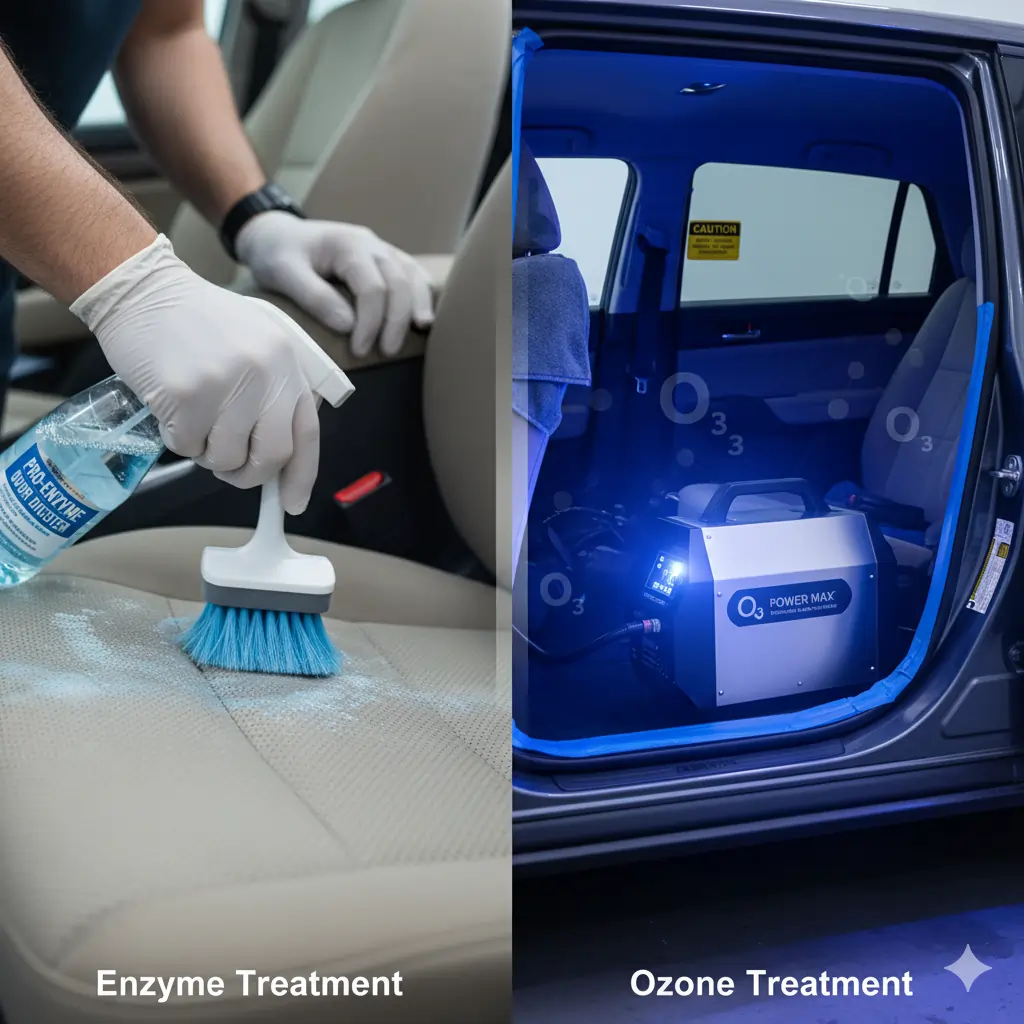
Ozone generators produce O₃ molecules that attach to odor compounds, breaking them apart chemically. This works especially well for smoke odor, as ozone neutralizes tar and nicotine particles.
The process requires sealing the vehicle and running the generator for several hours. Ozone concentration and exposure time depend on odor severity. After treatment, the car must be ventilated thoroughly before occupancy—ozone irritates lungs at high concentrations.
Dennis Auto Details offers ozone treatment services as part of complete odor removal packages. This professional service includes proper safety protocols and optimal ozone levels for your specific situation.
HVAC System Cleaning
Your air conditioning and heating system circulates odors throughout the cabin. Mold grows on evaporator coils in dark, moist conditions. Smoke particles settle in ductwork and on blower fans.
HVAC cleaning involves antimicrobial fog treatments that coat system components. This kills mold and bacteria while neutralizing absorbed odors. The treatment reaches areas you cannot access manually.
Running the system after treatment distributes fresh-smelling air through previously contaminated passages. This final step ensures odors don’t return when you turn on climate control.
Final Protection and Deodorizing
After removing odor sources, protective treatments prevent future problems. Fabric protectants create barriers against spills and stains. Antimicrobial coatings inhibit bacteria and mold growth.
Fresh, clean scents added at this stage smell pleasant because they’re not masking underlying odors. The absence of competing smells lets subtle fragrances work as intended.
Odor-Specific Removal Techniques
Smoke Smell Removal Strategy
Smoke odor demands the most intensive treatment. Start with seat shampooing services to remove tar residue from upholstery. Clean the headliner, where smoke rises and settles.
Wipe all hard surfaces—dashboard, console, door panels, windows—with odor-neutralizing cleaners. Smoke film covers everything, so complete coverage matters.
Replace the cabin air filter. This inexpensive part traps smoke particles and releases them back into the air when the HVAC runs. A fresh filter prevents re-contamination.
Finish with ozone treatment to neutralize remaining particles in hard-to-reach areas. This combination approach eliminates smoke smell completely rather than just reducing it.
Pet Odor Removal Steps
Pet odor removal starts with removing all hair. Use rubber gloves or specialized tools to pull embedded hair from upholstery weave. Vacuum thoroughly, including under seats where hair accumulates.
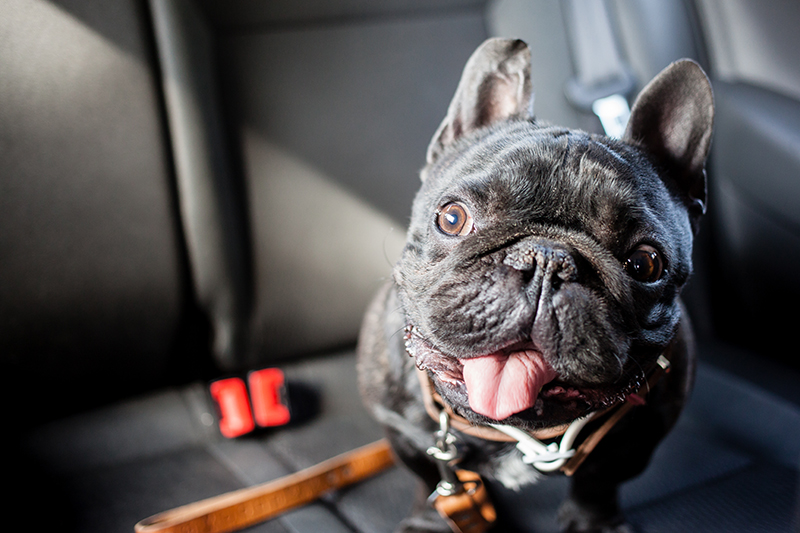
Locate and treat all accidents. UV lights reveal urine deposits invisible to the naked eye. Apply enzyme cleaners directly to these spots, ensuring the solution reaches padding layers.
Extract moisture completely after treatment. Remaining dampness allows bacteria to continue producing odors. Professional extraction equipment removes more liquid than home carpet cleaners.
For severe cases, removing seats allows access to padding and carpet backing where pet liquids collect. This level of service ensures complete odor elimination.
Food and Beverage Odor Solutions
Food odors require finding and removing all sources. Check under seats, in seat tracks, inside cup holders, and between console gaps. Crumbs and liquid residues hide in surprising places.
Steam cleaning breaks down sugars and proteins that cause sour smells. The heat kills bacteria actively producing odors. Follow steam treatment with extraction to remove dissolved residues.
Treat cup holders and small crevices with detail brushes and appropriate cleaners. These confined spaces trap liquids that become concentrated odor sources.
For milk or protein-based spills, enzyme cleaners work better than traditional detergents. These break down the complex molecules that create lasting smells.
Mold and Mildew Elimination
Mold odor indicates an active problem requiring immediate attention. First, address the moisture source: fix leaks, clear clogged sunroof drains, or repair damaged weatherstripping.
Remove wet materials if present. Soaked carpet padding cannot be adequately dried in place—it requires replacement. Floor insulation under carpets also traps moisture and grows mold.
Clean visible mold with antimicrobial solutions. Scrub affected areas thoroughly, as mold roots penetrate porous materials. Treatment must kill these roots to prevent regrowth.
Dry everything completely. Use dehumidifiers in enclosed vehicles or professional drying equipment. Mold returns if moisture remains. San Diego’s dry climate helps, but complete drying still requires active measures.
Apply antimicrobial protectant to prevent future growth. This creates an environment where mold spores cannot establish colonies even if minor moisture appears.
DIY Odor Removal Tips That Actually Work
Natural Deodorizers
Baking soda absorbs odors effectively when used correctly. Sprinkle it generously on carpets and upholstery, let it sit for several hours or overnight, then vacuum thoroughly. The powder absorbs odor molecules from fabric surfaces.
White vinegar neutralizes many odors. Mix equal parts water and vinegar in a spray bottle. Mist fabric surfaces lightly—don’t soak them. The vinegar smell dissipates as it dries, taking other odors with it.

Activated charcoal bags continuously absorb odors. Place several throughout your car, especially under seats and in trunk areas. Replace them every few months for ongoing freshness.
Proper Ventilation Techniques
Fresh air exchange prevents odor buildup. Open all doors and windows when parked to air out your vehicle. Do this regularly, not just when you notice smells.
Run your HVAC system with windows down occasionally. This pushes accumulated particles out of the system rather than circulating them inside the cabin.
Park in sunlight with windows cracked slightly. Heat accelerates off-gassing from plastics and fabrics, releasing trapped odor molecules. The airflow carries them away rather than letting them resettle.
Preventive Cleaning Schedule
Regular maintenance prevents most odor problems. Vacuum weekly, including under floor mats and between seats. Wipe hard surfaces monthly with appropriate cleaners.
Clean spills immediately. Fresh contamination is exponentially easier to remove than dried, set-in stains. Keep cleaning supplies in your vehicle for quick response.
Wash floor mats regularly. These trap dirt, moisture, and spills that create odors. Soap and water cleaning, followed by complete drying, keeps them fresh.
Preventing Future Car Odors
Daily Habits That Help
Remove trash daily. Don’t let food containers, wrappers, or drink cups accumulate. Each item adds potential odor sources.
Take gym bags, wet clothes, and work equipment inside rather than storing them in your car. These items trap moisture and create ongoing odor problems.
Use seat covers for pets. Washable covers prevent pet oils and dander from penetrating upholstery. Remove and launder them regularly.
Address spills within 24 hours. Even water spills cause problems if they soak into padding. Blot up liquids immediately and dry the area thoroughly.
Protective Treatments
Professional fabric protection creates a barrier against stains and odors. Treated upholstery resists liquid penetration, giving you time to clean spills before they soak in.
Interior ceramic coating provides similar protection for leather and plastic surfaces. These coatings make cleaning easier and prevent material degradation that traps odors.

Regular professional cleaning maintains these protective treatments. The combination of protection and maintenance prevents odor development rather than just responding to problems.
Climate-Specific Considerations for San Diego
San Diego’s coastal areas face humidity and salt air that affect vehicles. Moisture promotes mold growth, especially in cars parked outside overnight.
Inland areas experience higher temperatures that intensify odors. Heat accelerates bacteria growth and releases absorbed smells from materials.
The year-round driving season means less natural odor elimination from winter ventilation. You need proactive cleaning rather than relying on seasonal freshening.
Professional detailers familiar with San Diego’s climate know which techniques work best for local conditions. They adjust treatments based on coastal versus inland locations.
When to Schedule Professional Odor Removal
Signs You Need Professional Service
Persistent odors that return after DIY treatment indicate deeper contamination. If you’ve cleaned thoroughly but the smell comes back within days, the source sits beyond your reach.
Multiple odor layers complicate DIY removal. When smoke combines with pet odor, or food smells mix with mold, you need professional assessment to determine treatment order.
Pre-sale preparation benefits from guaranteed results. Professional odor removal adds value to your vehicle and makes sales negotiations easier. Buyers pay more for cars that smell clean.
Health concerns warrant professional attention. If odors trigger allergies or respiratory issues, complete removal protects your wellbeing. Professional services eliminate irritants rather than just reducing them.

What Professional Services Include
Complete odor removal packages typically include inspection and source identification, deep cleaning of all interior surfaces, enzyme treatments for biological contamination, ozone therapy for severe odors, and HVAC system cleaning.
Professional equipment reaches contamination that DIY methods miss. Commercial extraction machines remove more moisture, reducing drying time and preventing new odor development.
Experienced technicians know which techniques work for specific odor types. They adjust treatment based on your vehicle’s materials, the odor’s source, and its severity.
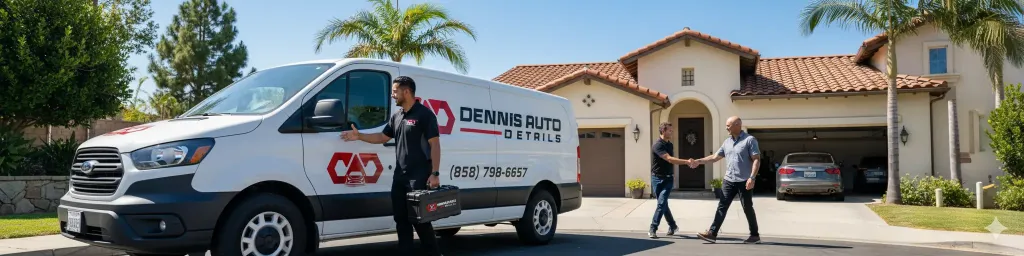
Dennis Auto Details provides comprehensive car odor removal service throughout San Diego County. Mobile service brings professional treatment to your location, whether home or office.
Service Timeline and Expectations
Basic odor removal takes 2-4 hours depending on contamination severity. This includes cleaning, treatment application, and initial results verification.
Ozone treatment adds processing time. Your vehicle must remain sealed during treatment—typically 2-6 hours—then ventilate for several hours before use.
Severe cases may require multiple treatments spaced days apart. Each treatment breaks down more odor compounds until complete elimination is achieved.
Results should be immediate and lasting. If odors return within a week, the source wasn’t completely addressed. Professional services typically guarantee their work and re-treat if needed.
Cost Considerations for Odor Removal
Service Pricing Factors
Odor severity determines treatment extent and cost. Light odors respond to basic cleaning and deodorizing. Severe contamination requires multiple techniques and longer service time.
Vehicle size affects pricing. Compact cars cost less than SUVs or vans due to surface area differences. Larger vehicles take more time and materials to treat effectively.
Service combinations offer better value. Adding odor removal to complete interior detailing costs less than scheduling separate appointments. Bundled packages reduce the per-service price.
Value of Professional Treatment
DIY attempts cost money in products and time. Ineffective treatments waste both. Multiple failed attempts often exceed professional service costs without achieving results.
Complete odor elimination increases resale value significantly. Buyers pay premiums for odor-free vehicles. The investment returns directly when you sell.
Professional services prevent vehicle damage from improper techniques. Ozone overuse, chemical misapplication, or aggressive cleaning can harm interior materials. Professionals use correct methods that protect your investment.
Your driving comfort and health have value. Eliminating irritating odors improves your daily experience. Clean air quality protects passengers with sensitivities or respiratory conditions.
Regional Considerations for San Diego Car Owners
Coastal Area Challenges
Salt air accelerates material degradation in coastal neighborhoods like La Jolla, Del Mar, and Coronado. This breakdown creates musty odors in older vehicles.
Morning marine layer brings moisture that promotes mold growth. Cars parked outside collect condensation that soaks into carpets and seats.
Beach sand tracked into vehicles traps moisture and organic matter. These combinations create persistent odors if not cleaned regularly.
Inland Temperature Effects
Higher temperatures in areas like Escondido, Poway, and Ramona intensify existing odors. Heat releases absorbed smells from materials.
Summer temperatures accelerate bacteria growth in organic contamination. Food spills become odor problems faster in warm interiors.
Dust accumulation in dry areas creates musty smells when combined with air conditioning moisture. Regular cleaning prevents this buildup.
Urban vs. Suburban Differences
Urban parking in areas like Downtown San Diego or Pacific Beach means limited ventilation opportunities. Enclosed parking structures trap odors.
Suburban areas like Carmel Valley or Rancho Bernardo offer garage parking that protects vehicles but also reduces natural airing.
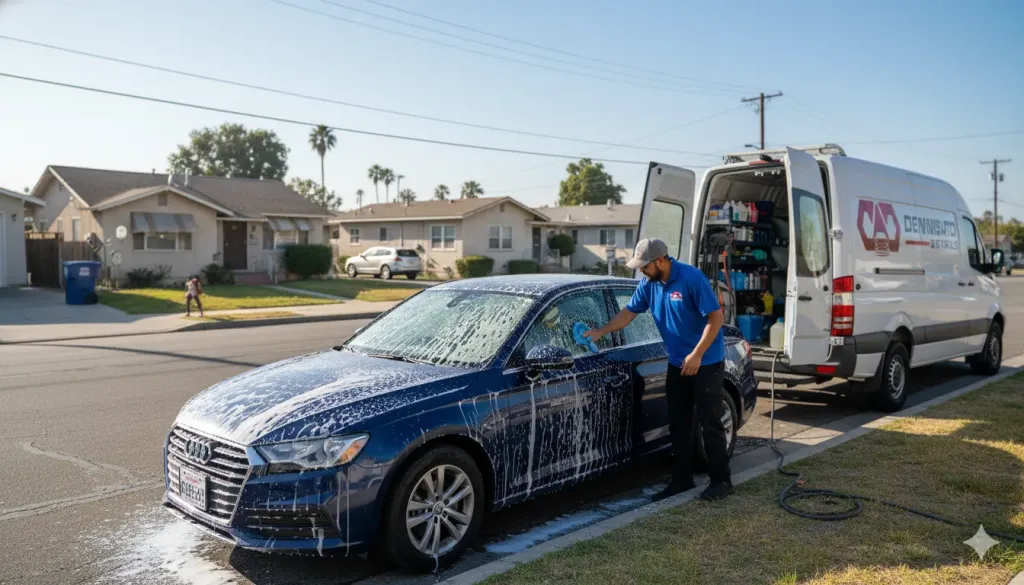
Professional mobile detailing reaches you in any location. Dennis Auto Details serves 40+ San Diego neighborhoods, bringing expert odor removal directly to your home or workplace.
Frequently Asked Questions
How long does professional odor removal take?
Basic odor removal requires 2-4 hours including deep cleaning and treatment application. Severe cases needing ozone therapy extend treatment time to 4-8 hours including processing and ventilation periods.
Will the smell come back after treatment?
Properly executed professional treatment eliminates odors permanently by removing the source. Smells return only if new contamination occurs or if the original treatment didn’t reach all affected areas.
Can I remove smoke smell myself?
Light smoke odor responds to thorough DIY cleaning. Heavy smoke smell from long-term exposure requires professional ozone treatment to neutralize particles deep in upholstery and HVAC systems.
Is ozone treatment safe for my car?
Professional ozone treatment used correctly is safe and effective. Proper concentration and duration matter. DIY ozone generators risk material damage or inadequate treatment. Professionals use calibrated equipment with appropriate safety protocols.
How do I prevent pet odors?
Use washable seat covers, vacuum weekly, and clean accidents immediately with enzyme cleaners. Groom pets before car rides to reduce dander and oil transfer. Consider professional protective treatments for upholstery.
What causes that “old car” smell?
Accumulated dust, degraded foam in seats, mold in air conditioning systems, and breakdown of plastics and adhesives all contribute. Professional deep cleaning combined with HVAC treatment eliminates these sources.
Does air freshener really work?
Air fresheners mask odors temporarily without eliminating sources. They add new scent on top of existing smells. True freshness requires removing odor-causing contaminants.
How often should I get professional odor removal?
Most vehicles need professional treatment only when specific odor problems develop. Regular preventive cleaning every 6-12 months through basic interior detailing prevents odor buildup.
Key Takeaways
- Odor sources matter more than smells: Successful removal requires identifying and eliminating contamination sources rather than masking symptoms
- Different odors need different treatments: Smoke responds to ozone, pet accidents need enzymes, and mold requires moisture elimination plus antimicrobial treatment
- Professional equipment provides deeper cleaning: Commercial extraction machines, proper ozone generators, and specialized products achieve results impossible with consumer equipment
- Prevention costs less than removal: Regular cleaning, immediate spill response, and protective treatments prevent most odor problems before they develop
- San Diego’s climate affects odor development: Coastal moisture promotes mold, inland heat intensifies smells, and year-round driving prevents seasonal freshening
- Complete treatment includes hidden areas: Effective odor removal addresses HVAC systems, seat padding, and carpet backing where contamination accumulates beyond surface reach
- Timing matters for treatment success: Fresh contamination is far easier to eliminate than set-in odors that have penetrated deep into materials
Get Professional Odor Removal Service
Don’t let persistent vehicle odors affect your driving comfort or vehicle value. Dennis Auto Details provides complete car odor removal service throughout San Diego County.
Mobile convenience brings professional treatment to your location. Certified technicians use proven techniques for lasting results. Complete packages address all odor types with appropriate treatments.
Call (858) 798-6657 or book your appointment online to eliminate car odors permanently. Serving 40+ neighborhoods with satisfaction guaranteed.
Transform your vehicle’s interior from odor problem to fresh, clean environment. Experience the difference professional odor removal makes.
Something went wrong. Please refresh the page and/or try again.