
How to Clean Car Seats: Complete Guide for Fabric, Leather & Vinyl
TL;DR
Learning how to clean car seats properly can restore your vehicle’s interior and improve your driving experience. This guide covers step-by-step cleaning methods for fabric, leather, and vinyl seats, including steam cleaning and shampooing techniques. For fabric seats, vacuum first, then apply cleaner with a brush and extract with water. Leather seats need gentle pH-balanced cleaners and conditioning after cleaning. Professional car seat cleaning services deliver deeper results with commercial equipment and expertise, especially for stubborn stains, odors, or delicate materials.
Your Car Seats Tell a Story You Don’t Want Visitors to Read
Coffee stains from Monday morning commutes. Mystery crumbs from last week’s drive-through. Pet hair woven into every fiber. That lingering smell you can’t quite identify but definitely can’t ignore.
Your car seats absorb every moment of your daily life, and they show it. While regular vacuuming helps, it doesn’t address the dirt, bacteria, and stains embedded deep in the upholstery. Knowing how to clean car seats properly makes the difference between a mediocre surface wipe-down and a thorough restoration that brings your interior back to life.
San Diego’s coastal climate adds unique challenges. Salt air accelerates fabric deterioration. Beach sand grinds into fibers. Year-round sun exposure fades colors and dries out materials. Your seats face constant assault from elements that demand more than basic cleaning.
This complete car seat cleaning guide walks you through professional techniques you can apply yourself, explains when DIY methods work best, and reveals when calling experts like Dennis Auto Details saves time, money, and your sanity.
Understanding Different Car Seat Materials Before You Start Cleaning
Different seat materials require different cleaning approaches. Using the wrong method damages upholstery, wastes time, and creates bigger problems than you started with.
Fabric Car Seats: The Most Common Type
Fabric seats appear in most vehicles and come in various materials including cloth, polyester, and microfiber. These seats absorb liquids quickly, trap odors easily, and show stains prominently. The best way to clean car upholstery made from fabric involves extraction-based methods that pull dirt and moisture out rather than pushing contaminants deeper.
Fabric seats benefit from both steam cleaning and shampooing methods, depending on soil level and stain type. Light maintenance responds well to steam. Heavy contamination requires chemical cleaning solutions.
Leather Seats: Premium Material Needs Premium Care

Leather seats add luxury to your vehicle but demand gentle treatment. Real leather contains natural oils that keep it supple. Harsh cleaners strip these oils, causing cracking and permanent damage. Proper leather seat cleaning requires pH-balanced solutions specifically formulated for automotive leather.
San Diego’s sun exposure particularly threatens leather interiors. UV rays dry out leather quickly. Regular cleaning combined with conditioning prevents the brittle, cracked appearance that ruins otherwise pristine interiors.
Vinyl and Synthetic Leather: Budget-Friendly Alternative
Many vehicles feature vinyl or synthetic leather that mimics real leather’s appearance without the maintenance demands. These materials resist stains better than fabric and tolerate stronger cleaning solutions than real leather. Vinyl cleaning requires less specialized equipment but still benefits from proper technique to avoid surface damage.
Alcantara and Suede: Delicate Materials Requiring Expert Care
High-end vehicles often feature Alcantara or suede seats that provide luxurious texture but challenge even experienced cleaners. These materials stain easily, show water spots, and require specialized brushes and techniques. If your vehicle has Alcantara or suede seats, professional cleaning prevents costly damage that DIY methods often cause.
Essential Equipment for Cleaning Car Seats
Quality results require proper tools. Consumer-grade equipment delivers acceptable results for light maintenance. Heavily soiled seats or stubborn stains demand commercial-grade machines that professional detailers use.
Basic DIY Equipment List
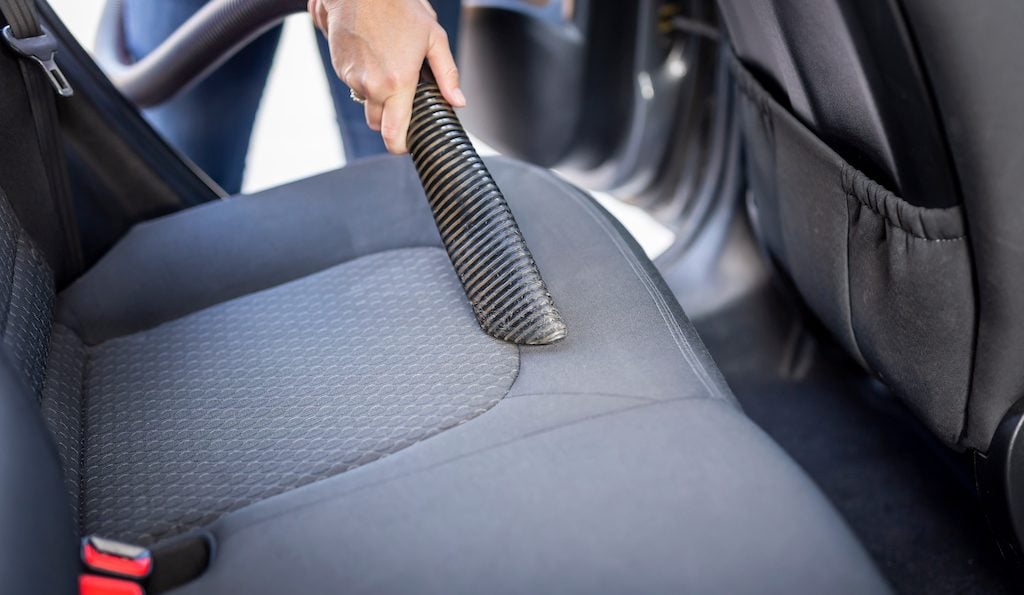
- Vacuum cleaner with upholstery attachment: Removes loose dirt, crumbs, and debris before wet cleaning
- Soft bristle brush: Agitates cleaning solutions into fabric fibers without damaging material
- Microfiber towels (multiple): Absorbs moisture and buffs surfaces without leaving lint
- Spray bottles: Applies cleaning solutions evenly and controls product usage
- Bucket: Mixes cleaning solutions and holds rinse water
- Wet/dry vacuum (optional but recommended): Extracts moisture and cleaning solution more effectively than towels alone
Cleaning Products You’ll Need
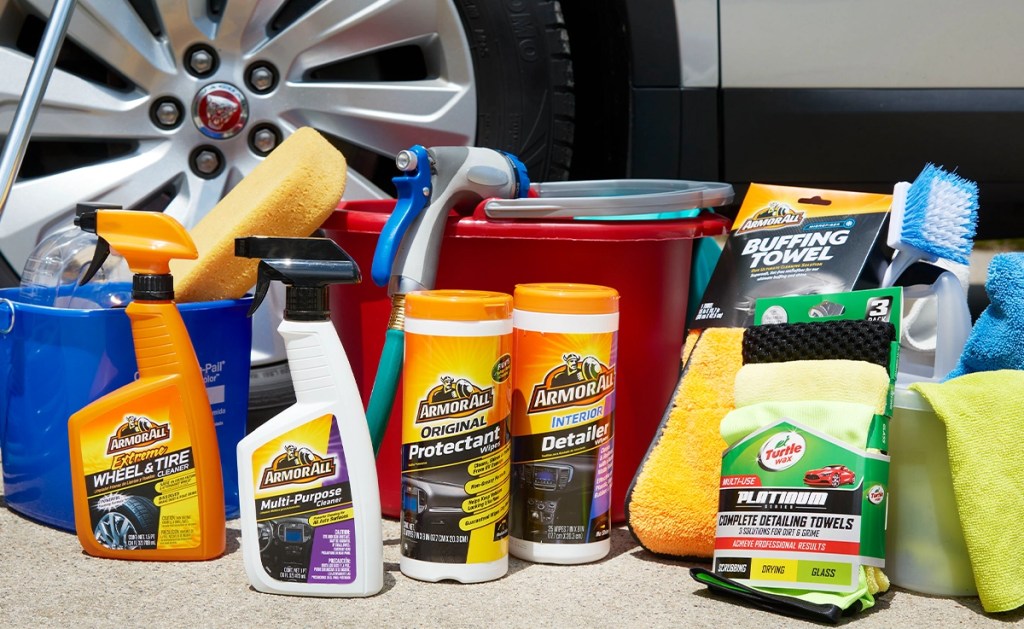
Product selection depends on your seat material and contamination type:
- Fabric upholstery cleaner: Specialized formulas break down dirt and lift stains from cloth seats
- Leather cleaner and conditioner: Two-step system cleans without stripping natural oils
- All-purpose cleaner (pH-neutral): Versatile option for general cleaning on various materials
- Enzyme-based cleaner: Targets organic stains like food, blood, or pet accidents
- Distilled water: Prevents mineral deposits that tap water leaves behind
Professional Equipment Advantages
Commercial steam cleaners generate 200-250°F temperatures and 50+ PSI pressure that consumer units cannot match. Professional extraction machines remove 10x more moisture than wet/dry vacuums. These capability differences explain why professional interior detailing services achieve deeper cleaning results than DIY attempts.
Dennis Auto Details uses 3M, Rupes, and Meguiars certified equipment that delivers showroom-quality results. Our mobile service brings this commercial-grade equipment directly to your location anywhere in San Diego County.
Step-by-Step Guide: How to Clean Car Seats
Follow these detailed instructions for best results when cleaning your vehicle’s seats yourself.
Preparation Steps (All Seat Types)
Remove all items from seats and floor: Clear the workspace completely. Check under seats for lost items before cleaning begins.
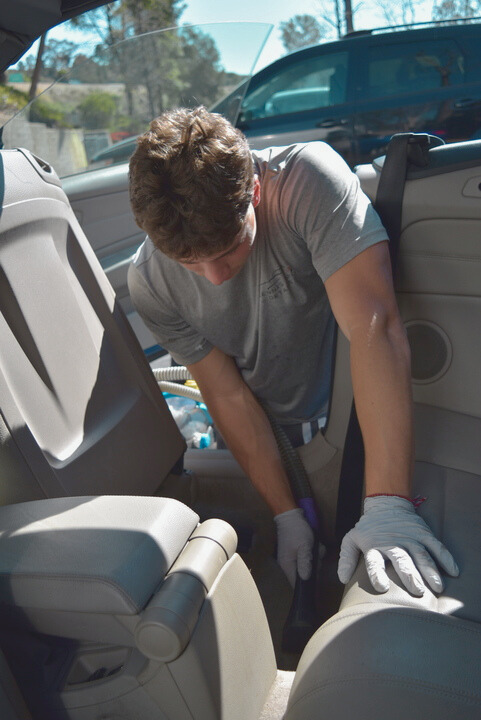
Vacuum thoroughly: Use crevice tools to reach seams and tight spaces. Vacuum removes 70% of dirt before wet cleaning starts. Pay special attention to areas where crumbs and debris accumulate.
Test cleaning products: Apply any new product to a hidden area first. Wait 5 minutes to check for discoloration or damage before proceeding.
How to Clean Fabric Car Seats
Fabric seats represent the most common seat type and respond well to various cleaning methods.
Method 1: Steam Cleaning Car Seats
- Fill steam cleaner with distilled water: Follow manufacturer guidelines for water levels and heating time. Most units require 5-10 minutes to reach operating temperature.
- Work in small sections: Start at the top of the seat back and work downward. This prevents clean areas from getting dirty again. Cover approximately 2×2 foot sections at a time.
- Apply steam at 45-degree angle: Hold nozzle 2-3 inches from fabric surface. Move slowly across material, allowing steam to penetrate fibers for 3-5 seconds per spot.
- Extract immediately with dry microfiber towel: Blot moisture as you steam. Don’t let steam sit on fabric. Work in circular motions to lift loosened dirt.
- Allow 1-3 hours drying time: Leave doors open or run air conditioning to speed drying. Steam cleaning car seats offers the fastest drying time among wet cleaning methods.
Steam cleaning works best for regular maintenance on lightly soiled seats. This method excels at removing odors and sanitizing upholstery without chemicals. Families with children or pets particularly benefit from steam’s natural cleaning power.
Method 2: Shampooing Fabric Seats
- Pre-treat visible stains: Apply fabric cleaner directly to stained areas. Let solution sit for 3-5 minutes to break down contaminants before general cleaning begins.
- Mix cleaning solution according to instructions: Most products require dilution. Too much concentrate leaves residue that attracts dirt. Too little won’t clean effectively.
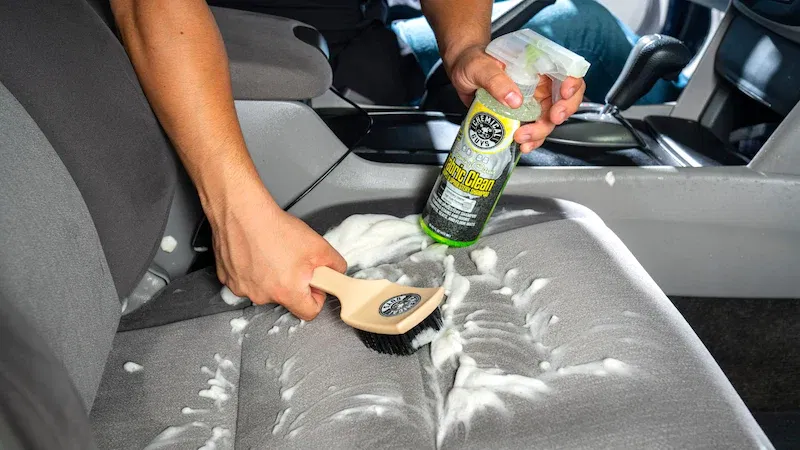
- Apply cleaner with spray bottle or brush: Dampen fabric without soaking. Fabric should feel moist but not saturated. Over-wetting increases drying time and risks mold growth.
- Agitate with soft brush in circular motions: Work cleaner into fibers. Spend extra time on heavily soiled areas and seams where dirt accumulates.
- Extract with wet/dry vacuum: Make multiple passes over each section. Continue until vacuum pulls very little moisture. More extraction means faster drying.
- Rinse with clean water (optional): Spray distilled water lightly over cleaned areas. Extract again. This step removes cleaning product residue that otherwise attracts dirt.
- Allow 6-12 hours drying time: San Diego’s dry climate helps, but humidity levels and ventilation affect drying speed. Never close vehicle until seats dry completely.
Shampooing provides superior stain removal for heavily soiled upholstery. Food spills, ground-in dirt, and protein-based stains respond better to chemical treatment than steam alone. This method requires more time but delivers deep cleaning results.
How to Clean Leather Car Seats
Leather seats demand gentler treatment than fabric to prevent damage.
- Vacuum gently using brush attachment: Remove loose dirt and debris. Hard vacuum nozzles can scratch leather surfaces.
- Mix leather cleaner according to instructions: Most quality leather cleaners come pre-mixed and pH-balanced. Never use household cleaners or harsh chemicals on leather.
- Apply small amount to microfiber cloth: Never spray cleaner directly on leather. This prevents over-saturation and ensures even application.
- Wipe in gentle circular motions: Clean one seat section at a time. Pay attention to areas where body oils accumulate (seat bolsters, headrests).
- Remove cleaner with damp cloth: Use clean microfiber towel dampened with distilled water. Multiple passes ensure all cleaning product is removed.
- Dry with clean microfiber towel: Buff surfaces until no moisture remains. Leaving leather damp invites mold growth and water spots.
- Apply leather conditioner: Wait 30 minutes after cleaning. Conditioner replenishes oils that cleaning removes. This step prevents cracking and maintains supple texture.
- Buff to desired shine: Use clean, dry microfiber towel. Work conditioner into leather with circular motions until surface shows even appearance.
San Diego’s intense sun makes leather conditioning especially important. UV exposure dries leather quickly. Regular conditioning (every 3-4 months) prevents the brittle, cracked appearance that requires expensive restoration.
Cleaning Vinyl and Synthetic Leather Seats

- Vacuum thoroughly: Remove loose debris before wet cleaning.
- Mix all-purpose cleaner with water: Vinyl tolerates stronger solutions than real leather but still requires dilution per product instructions.
- Apply with microfiber cloth: Wipe entire surface, paying attention to textured areas where dirt hides.
- Rinse with clean, damp cloth: Remove all cleaning solution to prevent sticky residue.
- Dry completely: Buff with clean microfiber towel until surfaces show no moisture.
- Apply vinyl protectant (optional): UV protectants extend vinyl life in San Diego’s harsh sun. Apply sparingly to avoid greasy appearance.
Vinyl seats require less maintenance than real leather but still benefit from regular cleaning. The material resists stains better and dries faster than fabric alternatives.
Tackling Common Car Seat Stains
Different stains require different treatments. Understanding stain types helps you select the most effective cleaning approach.
Food and Beverage Stains
Coffee, soda, and food spills create protein and tannin stains that penetrate deep into fabric fibers. Enzyme-based cleaners break down organic compounds more effectively than general-purpose products. Apply cleaner generously to stained area, let sit 10-15 minutes, then extract thoroughly.
Fresh spills clean easier than set-in stains. Blot liquid immediately with clean cloth. Don’t rub, which spreads contamination. Follow up with proper cleaning as soon as possible.
Pet Hair and Odors
Pet hair embeds deeply in fabric and resists regular vacuuming. Rubber gloves or pumice stones create friction that lifts hair fibers vacuum alone cannot reach. Work in short strokes across fabric surface.
Professional pet hair removal services use specialized tools and techniques that achieve better results faster. For persistent pet odors, ozone treatment services eliminate smell at the molecular level rather than masking odors with fragrances.
Ink and Dye Stains
Ink stains require rubbing alcohol or specialized ink removers. Test in hidden area first, as some fabrics react to alcohol. Apply small amount to clean cloth, blot stain gently. Never rub ink stains vigorously, which spreads contamination.
Set-in ink stains often require professional treatment. Attempting aggressive DIY removal on valuable leather or fabric seats risks permanent damage that costs more to repair than professional cleaning would have cost initially.
Grease and Oil Stains
Oil-based stains repel water-based cleaners. Degreasing products or dish soap cut through oil effectively. Apply directly to stain, agitate gently with brush, let sit 5-10 minutes, then extract thoroughly. Multiple treatments may be necessary for heavy grease contamination.
Common Car Seat Cleaning Mistakes to Avoid
These frequent errors damage upholstery and waste time. Learn from others’ mistakes instead of making them yourself.
Mistake 1: Soaking Seats with Too Much Water
Over-saturation causes mold growth, mildew smell, and extended drying times. Fabric should feel damp, not soaked. If water drips from seats when pressed, you’ve used too much liquid. This mistake particularly affects vehicles without garage parking in San Diego’s humid coastal areas.
Professional detailers know exactly how much moisture each material tolerates. Commercial extraction equipment removes far more water than consumer-grade vacuums, preventing saturation problems.
Mistake 2: Using Harsh Chemicals on Delicate Materials

Bleach, ammonia, and household cleaners damage automotive upholstery. These products discolor fabric, strip leather oils, and weaken fiber structure. Always use products specifically formulated for automotive interiors.
When in doubt about product safety, test in hidden area or consult professionals. Professional interior detailing uses manufacturer-approved products that clean effectively without risking damage.
Mistake 3: Scrubbing Stains Too Aggressively
Aggressive scrubbing spreads stains, damages fibers, and creates fuzzy appearance on fabric seats. Blot liquid stains. For set-in stains, apply cleaner and let chemistry do the work. Gentle agitation with proper brush loosens dirt without destroying material.
Leather especially suffers from aggressive cleaning. Hard scrubbing removes protective finish and scratches surface. If gentle cleaning doesn’t remove stains, the problem requires professional treatment.
Mistake 4: Forgetting to Rinse Cleaning Products
Cleaning product residue attracts dirt like a magnet. Seats may look clean initially but soil rapidly. Always rinse thoroughly with clean water, then extract moisture completely. This step separates adequate cleaning from professional results.
Mistake 5: Cleaning in Direct Sunlight
San Diego’s sunshine seems helpful for drying but creates problems during cleaning. Direct sun dries cleaning products before they can work, leaving streaks and residue. Clean in shade or garage. Use fans or air conditioning for drying after cleaning completes.
Mistake 6: Neglecting Hidden Areas
Seat seams, crevices, and areas under headrests accumulate dirt and debris. These spots breed bacteria and cause odors even when visible surfaces look clean. Professional detailers disassemble seats when necessary to access areas DIY cleaning cannot reach.
When to Call Professional Car Seat Cleaning Services
DIY cleaning works well for regular maintenance. Certain situations require professional expertise and equipment to avoid damaging your investment or wasting time on ineffective treatments.
Severe Stains and Heavy Contamination
Set-in stains, large spills, or seats that haven’t been cleaned in years challenge even experienced DIYers. Professional detailers assess stain type, select appropriate treatment, and have commercial-grade equipment to achieve results consumer products cannot match.
Professional stain removal services save money compared to replacing damaged upholstery. Attempting DIY removal with wrong products often makes stains permanent.
Persistent Odors
Odors from smoke, pets, mildew, or spilled milk penetrate deep into foam padding under upholstery. Surface cleaning cannot reach these contamination sources. Professional odor removal addresses root causes rather than masking smells.
Dennis Auto Details offers ozone treatment that destroys odor-causing molecules at the source. This chemical-free process eliminates even the toughest smells that no amount of DIY cleaning can remove.
Luxury and High-Value Vehicles
Mercedes, BMW, Tesla, and other luxury vehicles feature premium materials that require specialized knowledge and products. A single DIY mistake on luxury upholstery costs thousands in restoration or replacement.
Professional detailers train specifically on high-end materials. We understand manufacturer requirements and use products that maintain warranty coverage. Our 200+ 5-star reviews reflect consistent quality on San Diego’s most valuable vehicles.
Time and Convenience Considerations
Proper DIY seat cleaning requires 3-4 hours plus drying time. Gathering equipment, learning techniques, and achieving acceptable results demands significant time investment. Professional mobile detailing saves your weekend while delivering superior results.
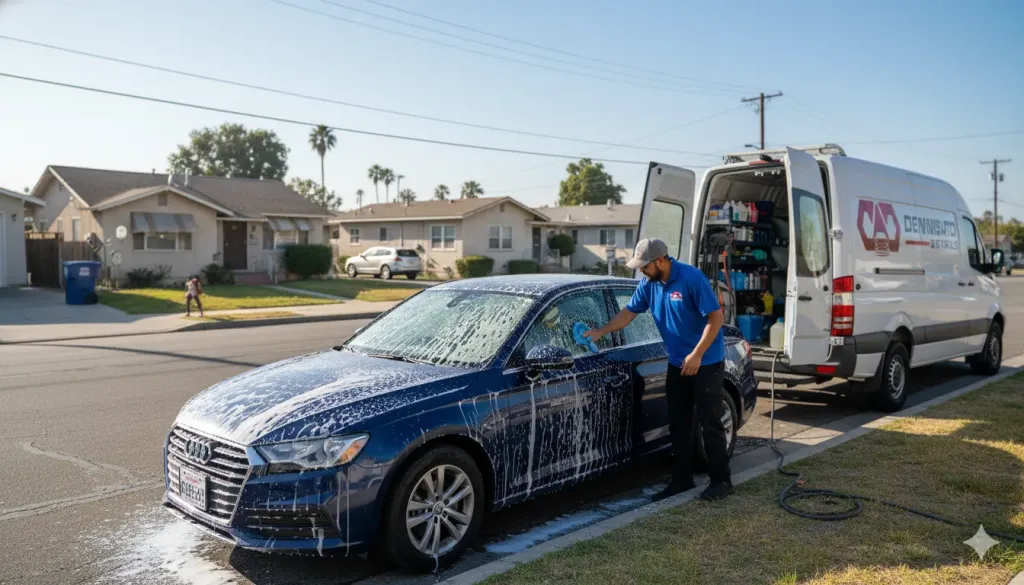
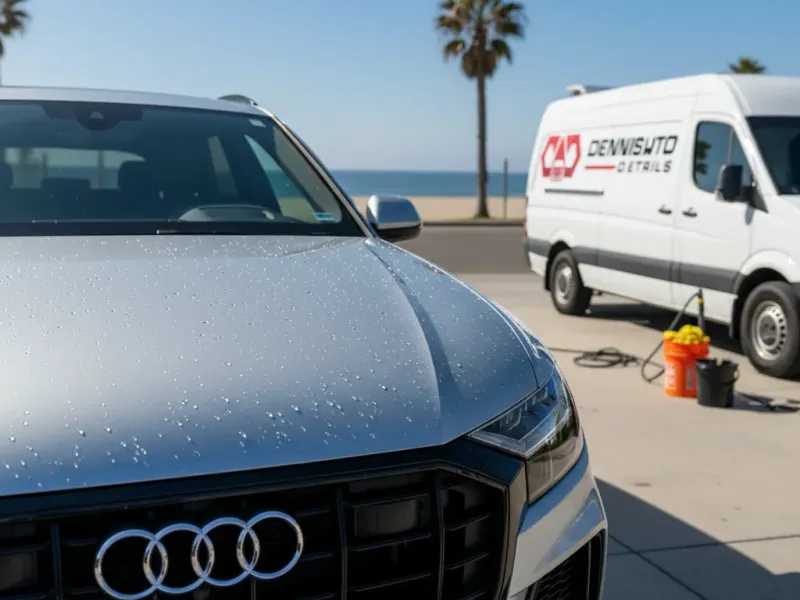
Dennis Auto Details brings professional equipment and expertise to your driveway, office, or any location in San Diego County. Our mobile service means you never wait at a shop or rearrange your schedule. We work while you work, delivering clean seats when and where you need them.
Pre-Sale Vehicle Preparation
Clean interiors significantly impact resale value. Professional detailing increases buyer confidence and justifies higher asking prices. The investment returns multiples in faster sales and better offers.
Our pre-sale detailing services prepare your vehicle for maximum return. Clean, fresh-smelling seats tell buyers you’ve maintained the vehicle properly.
Maintaining Clean Car Seats Between Deep Cleanings
Regular maintenance prevents dirt buildup that requires intensive cleaning. These simple habits keep seats looking fresh longer.
Weekly Quick Clean Routine
- Vacuum seats and floor mats: Five minutes weekly prevents accumulation requiring hours monthly
- Wipe leather with damp cloth: Quick wipe removes body oils before they set
- Shake out floor mats: Prevents dirt migration to seats
- Remove trash immediately: Food wrappers and spills create stains and odors when left
Monthly Maintenance Tasks
- Deep vacuum with attachments: Access crevices and under seats
- Spot clean visible stains: Fresh stains clean easier than set-in contamination
- Condition leather seats: Prevents drying and cracking in San Diego’s climate
- Check for developing issues: Early detection prevents major problems
Seasonal Deep Cleaning
Professional deep cleaning 2-3 times yearly maintains optimal condition. Schedule before summer (beach season), after summer (salt and sand removal), and before holiday travel. This frequency prevents buildup while spreading costs throughout the year.
Dennis Auto Details offers convenient maintenance packages that keep your interior consistently fresh. Regular customers receive priority scheduling and package discounts.
Car Seat Cleaning Considerations for San Diego Climate
San Diego’s unique coastal environment creates specific challenges for vehicle interiors.
Salt Air and Coastal Corrosion
Vehicles driven near the coast accumulate salt residue that accelerates fabric deterioration and leather drying. Regular cleaning removes salt before it causes permanent damage. Conditioning leather seats protects against salt-induced cracking.
Year-Round UV Exposure
San Diego’s consistent sunshine provides beautiful weather but brutal UV exposure for vehicle interiors. Fabric fades. Leather dries and cracks. Regular cleaning combined with UV protectants extends material life significantly.
Professional ceramic coating services protect dashboards and door panels. Interior ceramic coating creates protective barrier against UV damage while making surfaces easier to clean.
Beach Sand Challenges
Beach sand grinds into seat fibers like sandpaper, causing premature wear. Thorough vacuuming after beach trips prevents long-term damage. Professional extraction removes embedded sand that regular vacuums cannot reach.
Minimal Rain Means Less Natural Cleaning
San Diego’s dry climate means dust and dirt accumulate continuously without rain to wash vehicles naturally. This requires more frequent interior maintenance than regions with regular precipitation.
Cost Comparison: DIY vs Professional Car Seat Cleaning
Understanding true costs helps you make informed decisions about cleaning methods.
DIY Cleaning Costs
- Initial equipment investment: $150-300 (vacuum, brushes, towels, spray bottles)
- Cleaning products per session: $20-40 (cleaners, conditioners, protectants)
- Time investment: 3-4 hours (learning, cleaning, drying)
- Results: Acceptable for basic maintenance, limited effectiveness on heavy soils
- Risk: Potential damage from improper technique or products
Professional Cleaning Costs
Interior Steam Cleaning: $75 (add-on service)
Seat Shampooing: Included in detail packages
Supreme Interior Detail: Comprehensive cleaning with professional equipment
Time investment: Zero (mobile service works while you work)
Results: Commercial-grade deep cleaning with guaranteed satisfaction
Risk: None (insured service with 100% satisfaction guarantee)
Professional cleaning often costs less than DIY when factoring equipment investment, time value, and result quality. One professional session delivers deeper cleaning than multiple DIY attempts.
Key Takeaways
- ✓ Different seat materials require specific cleaning methods: Fabric tolerates aggressive cleaning while leather demands gentle pH-balanced products
- ✓ Proper preparation determines cleaning success: Thorough vacuuming and product testing prevent common mistakes
- ✓ Steam cleaning offers fast drying and chemical-free sanitization: Best for regular maintenance on lightly soiled fabric seats
- ✓ Shampooing provides superior stain removal: Chemical action breaks down heavy soils that steam cannot remove
- ✓ Over-saturation causes mold, mildew, and damage: Apply moisture sparingly and extract thoroughly
- ✓ San Diego’s climate demands regular conditioning: UV exposure and salt air accelerate material deterioration
- ✓ Common mistakes include harsh chemicals, aggressive scrubbing, and inadequate rinsing: Avoiding these errors protects your investment
- ✓ Professional equipment delivers 10x better extraction: Commercial machines remove moisture and contaminants DIY equipment cannot reach
- ✓ Severe stains, persistent odors, and luxury materials benefit from professional treatment: Expertise and equipment justify the investment
- ✓ Regular maintenance prevents intensive cleaning needs: Weekly vacuuming and monthly spot cleaning extend time between deep cleanings
- ✓ Mobile detailing saves time while delivering superior results: Professional service at your location eliminates schedule disruption
Experience Professional Car Seat Cleaning with Dennis Auto Details
Stop wasting weekends fighting stains with inadequate equipment. Let San Diego’s premier mobile detailing service restore your vehicle’s interior to showroom condition.

Dennis Auto Details brings professional steam cleaning and shampooing services directly to your location. Our certified technicians assess your specific needs, select optimal cleaning methods, and use commercial-grade equipment that delivers results consumer products cannot match.
Why Dennis Auto Details for car seat cleaning:
Specialized products for luxury vehicles and delicate materials
200+ 5-star reviews from satisfied San Diego customers
3M, Rupes, and Meguiars certified installers with professional training
Mobile service comes to your home, office, or anywhere in San Diego County
No upfront payment required for your peace of mind
100% satisfaction guarantee on every service
Professional equipment that deep cleans beyond DIY capabilities
Our interior steam cleaning and seat shampooing services eliminate stains, odors, and bacteria that make your daily commute unpleasant. We serve La Jolla, Del Mar, Carlsbad, Encinitas, Coronado, and 40+ neighborhoods throughout San Diego County.
Ready to experience the difference professional car seat cleaning makes?
Call 858-798-6657 or schedule online to book your mobile detailing appointment today. Your seats deserve professional care that restores them to like-new condition while saving your valuable time.
Serving all of San Diego County with convenient mobile service. Same-day appointments often available.
Something went wrong. Please refresh the page and/or try again.